Quick Picks by Season
- Winter (now): Yellowtail (buri), hot pot, warm sake, oysters
- Spring: Tai (sea bream), bamboo shoots, cherry blossom specials
- Summer: Uni (sea urchin), cold soba, unagi, shiso cocktails
- Fall: Sanma (pike mackerel), matsutake mushrooms, new-harvest sake
Walk into most American restaurants and the menu stays essentially the same whether it's January or July. Maybe there's a seasonal salad or a holiday special, but the core offering is fixed. Japanese cuisine operates on an entirely different philosophy — one that's been refined over centuries and remains one of the most beautiful ideas in the culinary world: shun (旬), the art of eating things at their peak seasonal moment.
What Is Shun?
Shun (旬) is a concept that goes beyond simple "farm-to-table" freshness. It's the belief that every ingredient has a perfect moment — a brief window when its flavor, texture, and nutritional value reach their absolute peak. A tomato in August is a fundamentally different ingredient than a tomato in February. Japanese cuisine builds its entire philosophy around respecting and celebrating those peak moments.
In practical terms, this means a great Japanese chef doesn't just serve what's available — they serve what's at its best right now. The fish that appears on the menu in January may be replaced by something different in April, not because the first fish is unavailable but because a better option has emerged. It's a constant conversation between the kitchen and the calendar.
"In Japanese cooking, the seasons do not merely influence the menu — they write it."
— Shizuo Tsuji, Japanese Cooking: A Simple Art
This philosophy creates a dining experience that's inherently dynamic. Visit a truly seasonal Japanese restaurant four times a year and you'll have four meaningfully different meals. The flavors change, the presentations change, even the ceramics and garnishes shift to reflect the mood of the season. It's one of the reasons Japanese dining rewards repeat visits in a way that few other cuisines can match.
Nijūshi Sekki — Japan's 24 Micro-Seasons
While most cultures recognize four seasons, Japan's traditional calendar divides the year into nijūshi sekki (二十四節気) — 24 micro-seasons, each lasting roughly two weeks. These aren't arbitrary divisions; they reflect precise observations of nature: Risshun (立春, "start of spring"), Usui (雨水, "rain water"), Keichitsu (啓蟄, "awakening of insects"), Shunbun (春分, "spring equinox"), and so on throughout the year. Japanese chefs have historically used this hyper-detailed seasonal awareness to guide their menus, selecting ingredients that are not just "in season" but at their absolute peak within a two-week window.
This sensitivity extends beyond ingredients to presentation. Spring dishes are served on ceramics painted with cherry blossoms; autumn meals might arrive on plates glazed the color of maple leaves. Even the shape of garnish cuts — momiji-oroshi (紅葉おろし, maple-leaf shaped grated daikon) for fall, hanagata (花形, flower-shaped) carrots for spring — signals the time of year. In Japanese cuisine, a meal isn't just something you taste — it's something you experience with all five senses, and the calendar is always the silent sixth diner at the table.
Winter: The Season of Richness
Winter (December through February) is arguably the most exciting season for Japanese seafood in New York. Cold ocean waters produce fish with higher fat content — the culinary equivalent of nature insulating itself against the cold — and that fat translates directly into richer, more flavorful sushi and sashimi.
Winter Stars
Buri (Yellowtail / Winter Yellowtail): The undisputed king of winter sushi. Wild Japanese yellowtail caught in cold waters develops a rich, buttery fat layer that makes it one of the most luxurious fish on any menu. The difference between winter buri and summer yellowtail is as dramatic as the difference between a ripe August peach and its pale January supermarket cousin.
Fugu (Blowfish): Rare in NYC but available at select restaurants. The thrill of fugu isn't just its delicate flavor — it's the knowledge that this fish requires licensed preparation due to its toxic organs. It's an experience that's as much about trust and tradition as it is about taste.
Hot Pot (Nabe): Winter is nabe season — communal hot pots filled with broth, vegetables, tofu, and proteins that bubble at the table. In an izakaya setting, sharing a hot pot on a freezing night is one of the most warming social experiences in Japanese cuisine.
Warm Sake: This is when warm sake truly shines. The combination of rich winter fish, bubbling hot pot, and a steaming cup of Junmai sake is one of the great seasonal pleasures of Japanese dining.
Osechi Ryori (おせち料理): While primarily a New Year tradition, the spirit of osechi — meticulously prepared dishes packed in layered lacquer boxes, each ingredient carrying symbolic meaning (black beans for health, shrimp for longevity, herring roe for fertility) — embodies the Japanese approach to winter cooking: every dish tells a story, every flavor is deliberate, and the presentation itself is a form of gratitude for the year ahead.
Spring: Delicacy and Renewal
Spring (March through May) brings a shift from winter's richness to lighter, more delicate flavors. It's the season of fresh beginnings in Japanese food culture, reflected in ingredients that are subtle, tender, and often green.
Spring Stars
Tai (Sea Bream): Called "the king of fish" in Japanese cuisine, tai peaks in spring — particularly around March and April. Its flavor is clean, sweet, and delicate, making it perfect for sashimi, sushi, or simply grilled with salt. In Japan, tai is the traditional fish of celebration, often served at weddings and New Year.
Takenoko (Bamboo Shoots): Fresh bamboo shoots are a spring delicacy that tastes nothing like the canned version most people know. Freshly harvested takenoko has a sweetness and crunch that's been compared to a cross between artichoke hearts and corn. Grilled, tempura-fried, or simmered in dashi — they're versatile and unmistakably spring.
Cherry Blossom Season: Sakura (cherry blossom) season inspires an entire category of spring dishes and drinks — from sakura mochi (cherry blossom rice cakes) to sakura-infused cocktails. Even if the blossoms aren't on the trees outside, your plate can capture the season's spirit.
Mountain Vegetables (Sansai): Foraged mountain vegetables — fiddlehead ferns, wild garlic, butterbur sprouts — represent the wild, untamed side of spring. They bring a slight bitterness and earthy complexity that balances the season's sweetness.
Spring in Japanese food culture is intimately connected to the concept of hanami (花見) — cherry blossom viewing. For centuries, Japanese families have gathered beneath blooming sakura trees to share bento boxes and sake. The food at a hanami picnic is designed to be beautiful, portable, and celebratory: hanami dango (三色団子, tri-colored rice dumplings in pink, white, and green), chirashizushi (scattered sushi decorated like a garden), and sakura mochi wrapped in a salt-preserved cherry leaf. This tradition reminds us that in Japanese cuisine, the season isn't just about what you eat — it's about how and where you eat it.
Summer: Bold and Refreshing
Summer (June through August) in Japanese cuisine is about contrast — bold flavors balanced by cooling techniques. It's the season of refreshing cold dishes, vibrant garnishes, and ingredients that cut through the heat.
Summer Stars
Uni (Sea Urchin): Summer uni is a revelation. While uni is available year-round, the summer harvest produces the sweetest, most briny-buttery specimens — especially from Hokkaido. Served as nigiri, in a bowl over rice (uni don), or simply on a spoon, peak-season uni is one of the most extraordinary flavors in the ocean.
Unagi (Freshwater Eel): In Japan, there's an entire tradition of eating unagi on the hottest day of summer — the Doyo no Ushi no Hi tradition — because its rich nutrients are believed to combat heat fatigue. Whether or not you buy the health claims, glazed and grilled unagi over rice (unadon) is one of the most satisfying summer dishes imaginable.
Cold Soba (Zaru Soba): Chilled buckwheat noodles served on a bamboo mat with dipping sauce. Simple, refreshing, and deeply satisfying on a sweltering day. The noodles should be firm and nutty; the dipping sauce (tsuyu) cold and concentrated.
Shiso and Myoga: Summer herbs that bring brightness and aroma to everything they touch. Shiso (perilla leaf) has a flavor somewhere between mint and basil; myoga (Japanese ginger) adds a sharp, refreshing bite. Both are essential summer garnishes.
Fall: Depth and Harvest
Fall (September through November) is perhaps the most poetic season in Japanese cuisine — a time of abundance, earthiness, and the bittersweet beauty of impermanence. The ingredients take on deeper, more complex flavors as nature prepares for winter.
Fall Stars
Sanma (Pacific Saury / Pike Mackerel): The quintessential fall fish. Sanma grilled over charcoal with just salt and a squeeze of sudachi citrus is one of the most iconic seasonal dishes in all of Japanese cuisine. The fish is small, rich, and slightly bitter — a flavor profile that perfectly captures autumn's character.
Matsutake Mushrooms: The most prized mushroom in Japanese cuisine, matsutake appears briefly in fall and commands extraordinary prices. Its aroma is unlike any other mushroom — piney, spicy, and intensely fragrant. Even a small amount added to a clear soup (matsutake dobin mushi) transforms the dish into something ethereal.
Kaki (Persimmon): Sweet, honeyed persimmons are the fall fruit of Japan. They appear in desserts, are dried into intensely sweet treats, and even find their way into savory preparations. Their sunset-orange color is as much a part of fall aesthetics as changing leaves.
Mono no Aware — The Bittersweet Beauty of Autumn
The Japanese concept of mono no aware (物の哀れ) — the bittersweet awareness of impermanence — finds its fullest expression in autumn cuisine. The fleeting availability of sanma, the brief window for matsutake mushrooms, the last warm days before winter's chill — these ephemeral pleasures are made more precious by their transience. Japanese chefs often describe autumn as the season of shokuyoku no aki (食欲の秋, "the autumn of appetite"), when the cooling air sharpens hunger and the harvest brings an abundance of ingredients at their richest. To eat seasonally in fall is to practice a form of mindfulness — savoring each ingredient with the knowledge that it will be gone soon, replaced by winter's different treasures.
New-Harvest Sake (Hiyaoroshi): Fall brings the release of hiyaoroshi — sake that was brewed in winter, pasteurized once in spring, then aged through summer and released in fall without a second pasteurization. The result is a sake with more rounded, mellow flavors that pair beautifully with fall's earthy ingredients.
| Season | Star Ingredient | Best Preparation | Sake Pairing |
|---|---|---|---|
| Winter | Buri (Yellowtail) | Sashimi or nigiri | Warm Junmai |
| Spring | Tai (Sea Bream) | Sashimi or salt-grilled | Chilled Junmai Ginjo |
| Summer | Uni (Sea Urchin) | Nigiri or uni don | Daiginjo, very cold |
| Fall | Sanma (Pike Mackerel) | Salt-grilled whole | Hiyaoroshi (fall sake) |
Key Takeaways
- Shun (旬) — eating at peak season — is central to Japanese food philosophy
- Winter brings rich, fatty fish; spring brings delicacy; summer brings bold freshness; fall brings depth
- Ask your server "What's in season?" — it's the smartest question you can ask
- Seasonal eating makes every visit different and rewards regulars with constant discovery
- Even sake follows seasonal rhythms, with special releases throughout the year
How to Eat Seasonally in NYC
You don't need to be a Japanese food scholar to eat seasonally. Here's the simple version:
- Ask your server. "What's in season right now?" is the single most valuable question you can ask at any Japanese restaurant. A good server will light up and guide you to the best the kitchen has to offer today — not just what's always on the menu.
- Look for specials. Seasonal items often appear as daily or weekly specials rather than on the permanent menu. These are usually the chef's most inspired dishes — the ones they're most excited about cooking.
- Trust the chef. If a sushi restaurant offers omakase (chef's choice), take it. Omakase is essentially the chef saying: "Let me show you what's at its absolute best right now." It's the purest expression of seasonal dining.
- Visit regularly. The beauty of seasonal dining is that it changes. Coming back every month or two means a genuinely different experience each time. It's the best argument for having a "regular" Japanese restaurant.
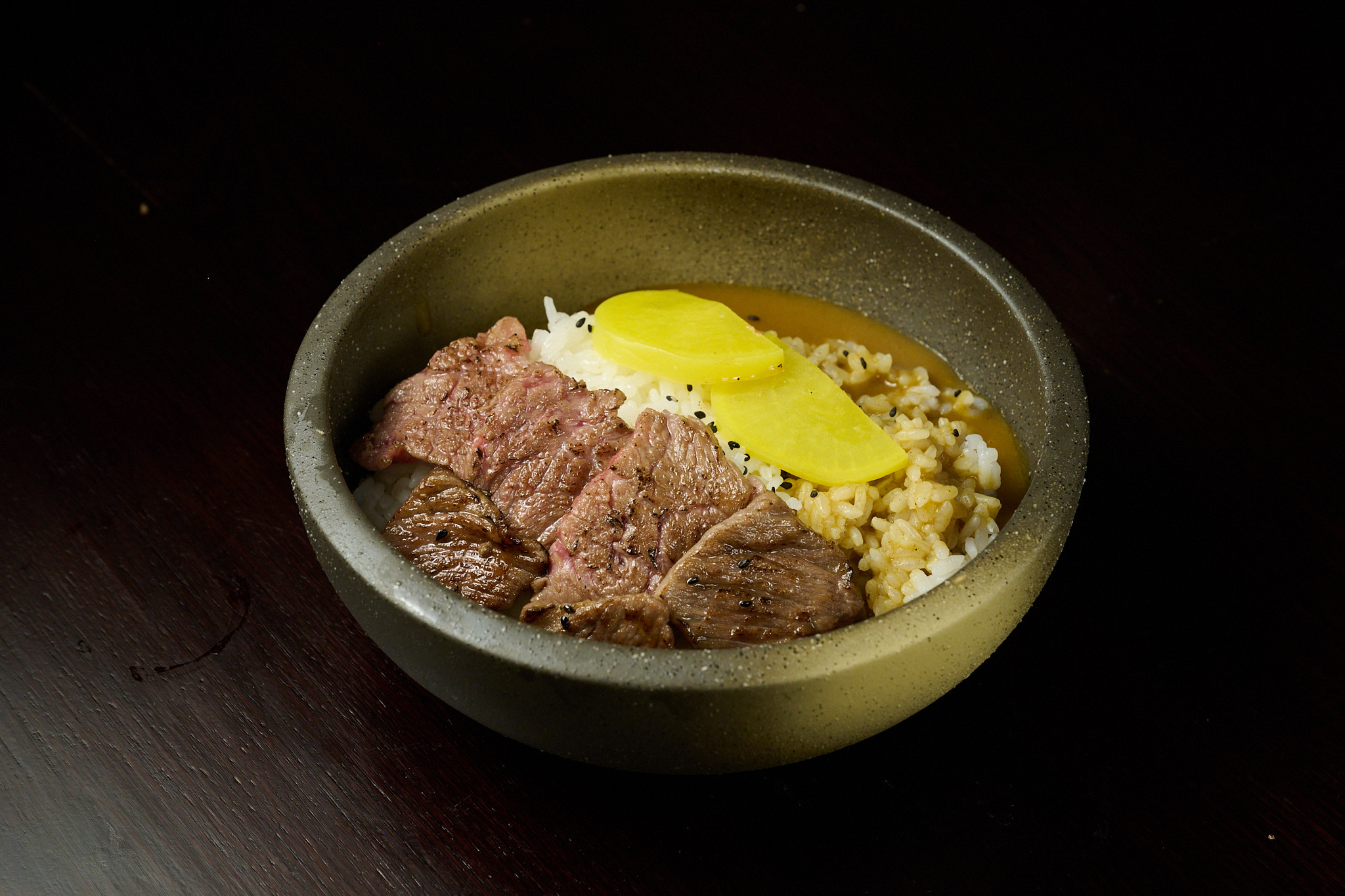
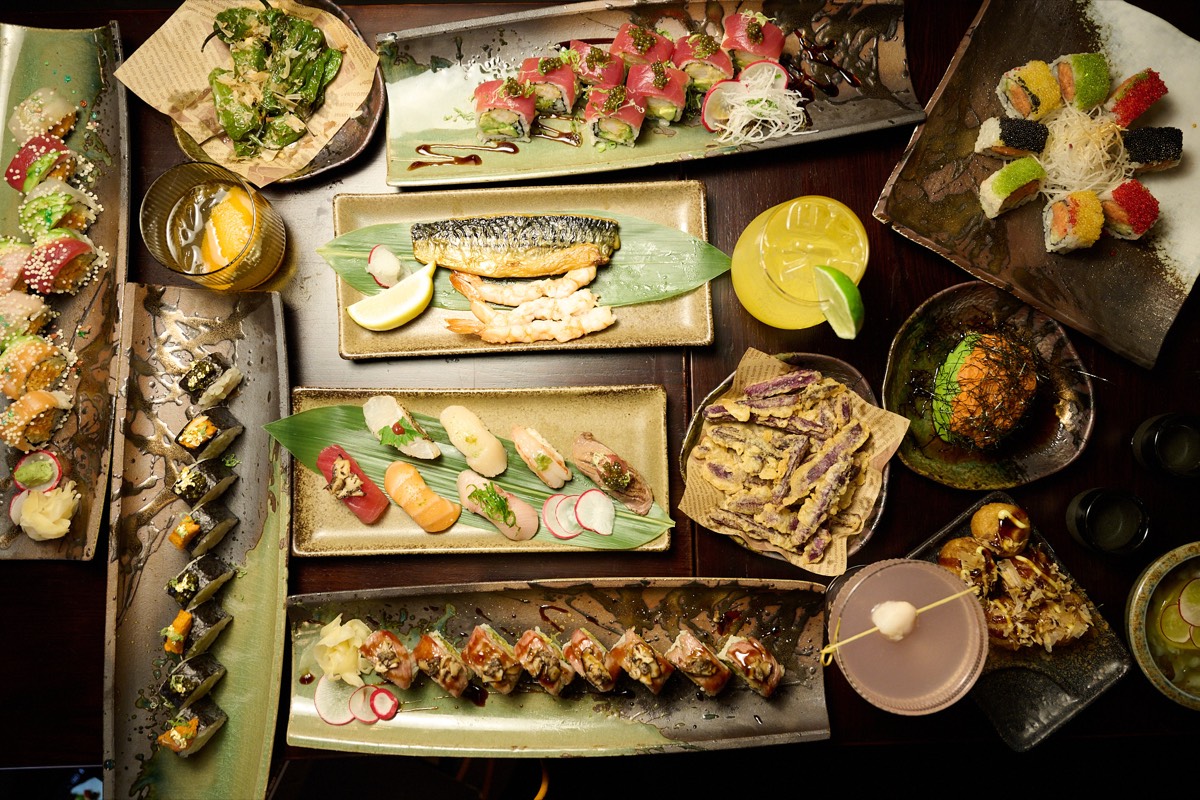
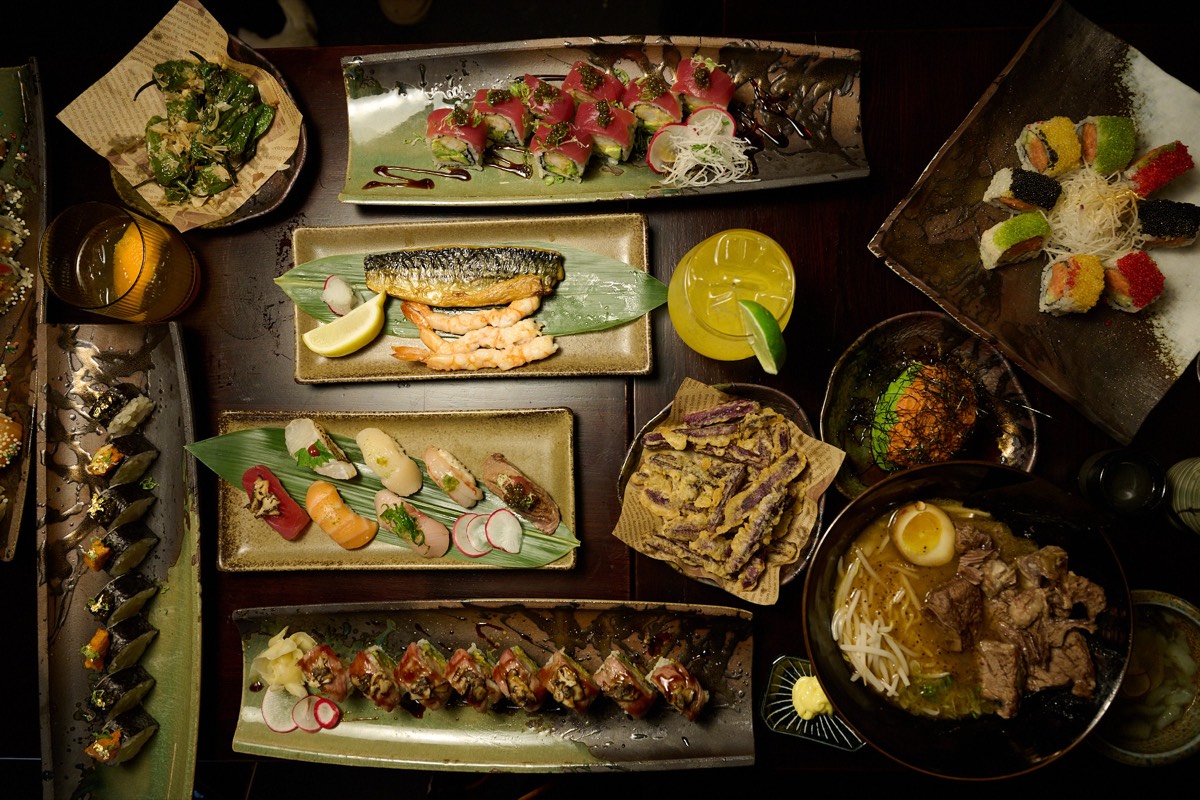
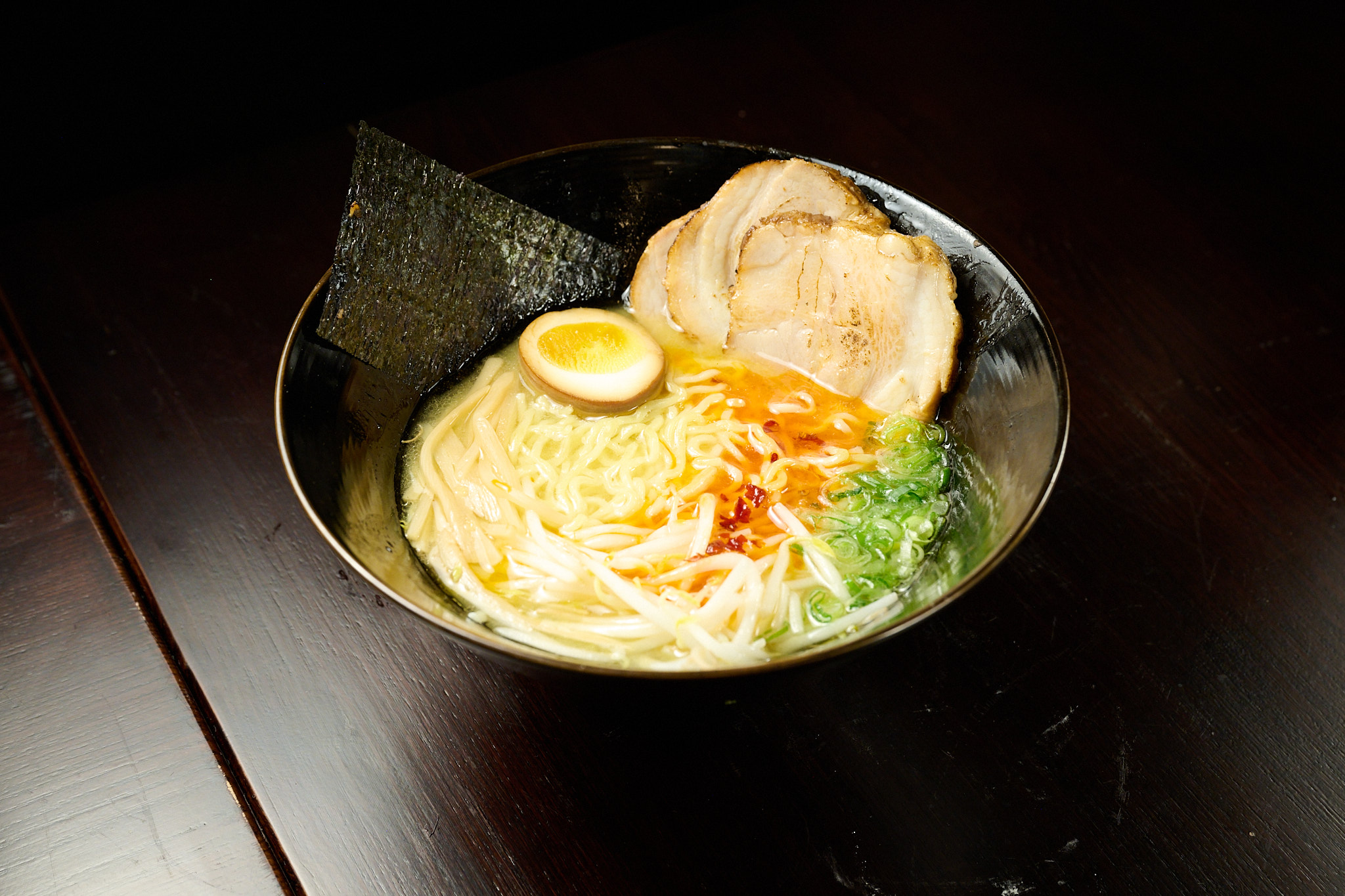
At Showa Era Izakaya, we take seasonal dining seriously. Our menu has a permanent core — the classics that our regulars depend on — but it's framed by rotating seasonal items that reflect what's freshest and most exciting at the market right now. In winter, that means rich yellowtail and warming ramen variations. In summer, you'll see refreshing cold dishes and peak-season seafood. The menu is a living document, constantly evolving with the calendar.
Local Tips
- Right now (winter): Ask about winter yellowtail and any hot pot specials
- Follow us on social media for seasonal menu announcements and limited-time dishes
- Bar seating is the best place to discover seasonal items — you can see what other diners are ordering
- Warm sake in winter, cold sake in summer — the simplest seasonal rule that transforms your experience
Experience Seasonal Dining at Showa Era
Fri–Sun 10AM–2AM
Frequently Asked Questions
Does the menu change every day?
Our core menu stays consistent, but we rotate seasonal specials weekly based on what's freshest at the market. Daily fish specials may change based on the morning's delivery. Check with your server for today's seasonal highlights.
Is seasonal fish more expensive?
Not necessarily. Seasonal fish is actually often more affordable than out-of-season options because it's more abundant and doesn't need to be sourced from distant markets. Peak-season ingredients give you the best value — superior flavor at fair prices.
What's the best season to visit for sushi?
Every season has its stars, but winter (December–February) is often considered the golden season for sushi. Cold-water fish have the highest fat content, making for the richest, most flavorful sashimi and nigiri of the year.
Do you offer omakase (chef's choice)?
We offer omakase-style experiences by request, particularly at the sushi bar. Let your server know you'd like to leave it to the chef, and they'll create a seasonal tasting tailored to what's best that day. It's the ultimate way to experience seasonal dining.
Taste What's in Season Tonight
The calendar moves, the menu evolves, and there's always something new to discover at Showa Era Izakaya.