Quick Picks
- First-timer's pick: Junmai Ginjo — smooth, aromatic, crowd-pleasing
- With sushi: Junmai Daiginjo — clean and delicate
- With ramen: Honjozo — light enough to not compete
- Adventurous: Nigori (unfiltered) — creamy, sweet, unforgettable
Sake has been brewed in Japan for over 2,000 years, but for many New Yorkers, it remains one of the most misunderstood beverages on the menu. Walk into any izakaya and you'll see a sake list organized by names and terms that might as well be in code: Junmai, Ginjo, Daiginjo, Honjozo, Nigori. What do they mean? Which one should you order? And why does your friend insist that warm sake is "wrong"?
The Sacred Origins of Sake
In ancient Japan, sake was not a casual drink — it was omiki (御神酒), a sacred offering to the Shinto gods. Shrine maidens called miko would chew rice and spit it into vats, allowing their saliva enzymes to begin fermentation — a process called kuchikami no sake (口噛みの酒). This ritual drink connected mortals to the divine, and traces of that reverence still linger in how Japanese people approach sake today: with respect, gratitude, and an understanding that every cup carries centuries of tradition.
What Is Sake, Exactly?
Let's start with the basics. Sake (日本酒, nihonshu) is a Japanese rice wine — except it's not technically wine. Wine is made by fermenting fruit sugars. Sake is made by converting rice starches into sugar, then fermenting that sugar into alcohol. The process is actually closer to brewing beer than making wine, but the result is entirely its own category.
The four ingredients in sake are simple: rice, water, yeast, and koji (a mold that breaks down the rice starch). That's it. No grapes, no hops, no aging in oak barrels. Yet from these four ingredients, Japanese brewers have created a beverage of extraordinary range — from light and floral to rich and earthy, from bone-dry to silky-sweet.
The alcohol content typically falls between 14-16%, similar to wine. Unlike wine, sake doesn't improve with age (with rare exceptions). Most sake is meant to be consumed within a year of bottling, which means the bottle on your table tonight is essentially fresh — a snapshot of the brewer's art at its peak.
A Brief History of Japanese Brewing
The earliest written record of sake appears in the Kojiki (古事記, "Record of Ancient Matters," 712 AD), Japan's oldest chronicle. By the Nara period (710–794), imperial courts had established dedicated sake-brewing departments. During the Edo period (1603–1868), the town of Nada near Kobe became Japan's brewing capital — a title it still holds today, producing roughly 30% of all sake. The Meiji era (1868–1912) brought scientific understanding to the craft, and today Japan is home to over 1,400 active breweries (sakagura, 酒蔵), each with their own water source, rice varieties, and house yeast cultures.
The concept of toji (杜氏) — the master brewer — is central to sake culture. Like a winemaker, the toji oversees every aspect of production, from rice selection to fermentation temperature. Many toji families have passed their knowledge through generations for centuries, making sake brewing as much an art of human continuity as it is of chemistry.
The Four Sake Types You Need to Know
This is where most beginners feel lost, but the system is simpler than it looks. Sake is classified primarily by how much of the outer rice grain has been polished away before brewing. More polishing means a more refined, aromatic sake. Less polishing means more earthy, rice-forward character. Here's the breakdown:
1. Junmai (純米) — "Pure Rice"
Junmai means no brewing alcohol has been added — it's made entirely from rice, water, koji, and yeast. There's no polishing requirement, so Junmai sakes range widely in style. Generally, they tend to be fuller-bodied, richer, and more savory than their more polished cousins. Think of Junmai as the "house red" of sake — versatile, food-friendly, and satisfying.
Flavor profile: Rich, umami-forward, earthy, with a pleasant acidity. Best for: Grilled meats, hearty izakaya dishes, or sipping on its own.
2. Junmai Ginjo (純米吟醸) — The Sweet Spot
When at least 40% of the rice grain's outer layer has been polished away, you enter Ginjo territory. The result is a sake that's more aromatic and refined than basic Junmai, with fruit-forward notes (melon, apple, pear) that make it immediately appealing to newcomers. Junmai Ginjo is our go-to recommendation for first-timers because it's complex enough to be interesting but approachable enough to be immediately enjoyable.
Flavor profile: Fruity, floral, balanced, with a clean finish. Best for: Sushi, sashimi, lighter dishes, or as a welcoming first pour.
3. Junmai Daiginjo (純米大吟醸) — The Premium
The pinnacle of sake craftsmanship. At least 50% of the rice grain has been polished away, and many Daiginjo sakes go much further — some polish down to just 23% of the original grain. The result is sake of extraordinary delicacy: light, aromatic, almost perfume-like in its complexity. These are sakes to sip slowly and contemplate.
Flavor profile: Delicate, complex, intensely aromatic — floral and tropical fruit notes. Best for: Special occasions, premium sashimi, or as a standalone tasting experience.
4. Nigori (にごり) — The Wild Card
Nigori is unfiltered or coarsely filtered sake, leaving some of the rice sediment in the bottle. It's cloudy, creamy, and typically sweeter than other sake types. If the first three categories are the sake equivalent of a well-tailored suit, Nigori is the comfortable sweater you never want to take off. It's fun, different, and the perfect gateway for people who think they don't like sake.
Flavor profile: Creamy, sweet, rich, with visible rice sediment. Best for: Dessert pairing, spicy food, or anyone who likes piña coladas.
The Rice Behind the Sake
Not all rice is created equal — and sake rice (sakamai, 酒米) is fundamentally different from the rice you eat for dinner. Sake rice grains are larger, with a concentrated starch core called shinpaku (心白) — literally "white heart." This opaque center is where the magic happens: it absorbs water and koji mold more efficiently, producing cleaner, more refined flavors.
The most famous sake rice variety is Yamada Nishiki (山田錦), often called the "king of sake rice." Grown primarily in Hyogo Prefecture, it produces sake of extraordinary elegance and complexity. Other notable varieties include Gohyakumangoku (五百万石) from Niigata, which tends toward crisp, clean styles, and Omachi (雄町), an heirloom variety prized for its rich, earthy character. When a sake label mentions the rice variety, it's telling you something meaningful about the flavor to expect.
Mizu — The Invisible Ingredient
Sake is roughly 80% water, making the mineral profile of the water source (shikomi-mizu, 仕込み水) one of the most decisive factors in a sake's character. The famous "hard water" of Nada's Miyamizu wells produces bold, robust sake (otoko-zake, masculine sake), while the soft waters of Fushimi in Kyoto yield gentler, more feminine styles (onna-zake). This is why Japanese breweries are almost always located near pristine natural springs — the water writes the first chapter of every sake's story.
Hot vs. Cold: The Temperature Question
Here's where things get controversial. You've probably heard someone say that "good sake should never be served warm." That's a myth — one perpetuated by well-meaning but slightly misinformed enthusiasts. The truth is more nuanced and more interesting.
Cold (reishu, 冷酒): Premium sakes like Ginjo and Daiginjo are generally best served chilled (around 45-50°F). Cold temperatures preserve their delicate aromas and clean flavors. Think of it like serving white wine chilled — warmth would mask the subtleties.
Room temperature (jo-on, 常温): Junmai sakes often shine at room temperature, where their full-bodied character can express itself without the muting effect of cold or the amplification of heat.
Warm (kanzake, 燗酒): Warming certain sakes — particularly robust Junmai and Honjozo styles — can be transformative. The heat opens up different flavor compounds, creating a richer, more comforting experience. In Japan, warm sake on a cold night isn't considered inferior — it's considered essential. The key is matching the right sake to the right temperature.
Japanese culture has incredibly precise vocabulary for sake temperatures — far more nuanced than simply "hot" or "cold." There are at least ten named temperature levels, from yuki-bie (雪冷え, "snow-cold," around 5°C) through hana-bie (花冷え, "flower-cold," 10°C) to hitohada-kan (人肌燗, "body-temperature warm," 37°C) and up to tobikiri-kan (飛び切り燗, "extra-hot," 55°C). This lexicon reveals how deeply Japanese culture has thought about the relationship between temperature and taste — a level of specificity that borders on poetry.
"There is no wrong temperature for sake — only the wrong sake at the wrong temperature."
— John Gauntner, Sake ExpertKey Takeaways
- Sake classification is based on rice polishing ratio — more polishing = more refined
- Junmai Ginjo is the ideal starting point for beginners
- Warm sake isn't inferior — it's a different (and equally valid) experience
- Sake pairs beautifully with Japanese food, especially sushi and grilled items
- Don't be afraid to ask your server for recommendations — that's what they're there for
Pairing Sake with Food
Sake is one of the most food-friendly beverages in the world — its amino acid profile (umami richness) creates natural harmony with a wide range of dishes. Here's how to think about pairing:
| Dish | Sake Type | Why It Works |
|---|---|---|
| Nigiri Sushi | Junmai Daiginjo | Delicate sake doesn't overpower delicate fish |
| Chicken Karaage | Junmai (warm) | Rich sake cuts through fried richness |
| Tonkotsu Ramen | Honjozo or Junmai | Clean sake refreshes heavy pork broth palate |
| Grilled Yakitori | Junmai Ginjo | Fruity notes complement charcoal smokiness |
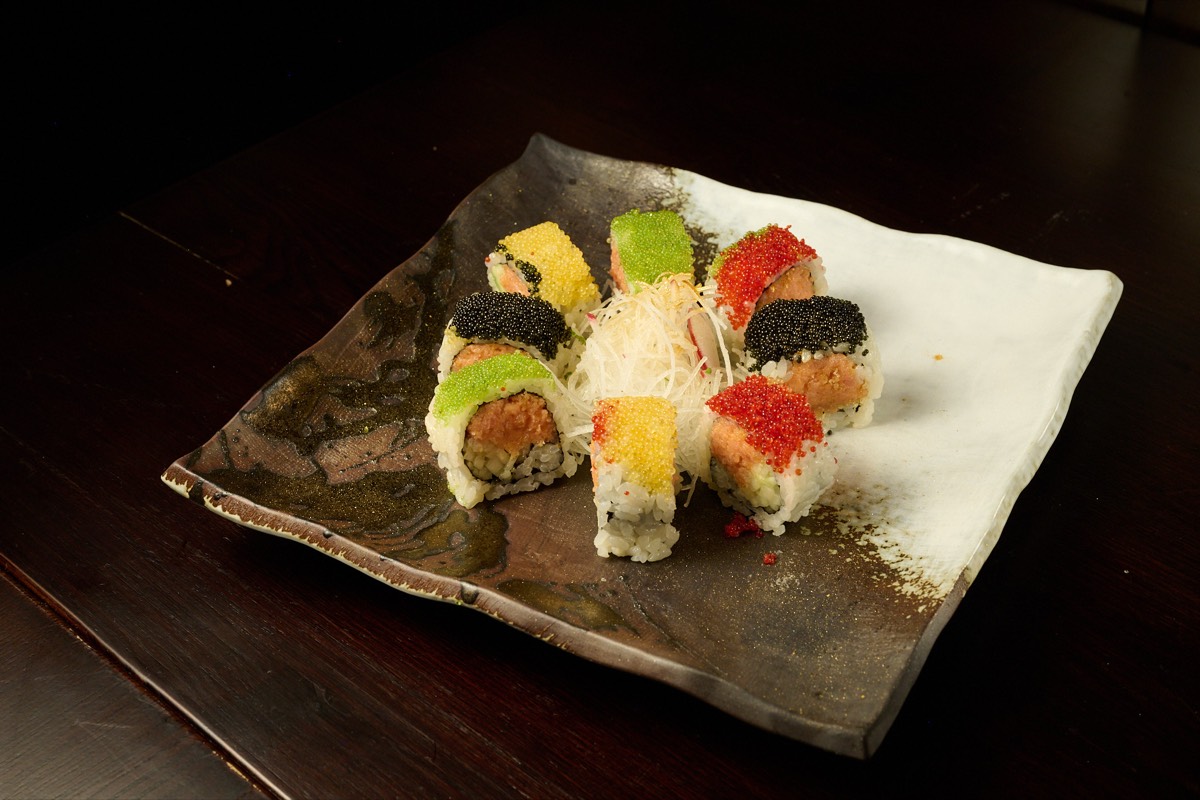
| Spicy Tuna Roll | Nigori | Creamy sweetness cools the spice |
| Edamame | Any light sake, chilled | Simple + simple = perfect izakaya harmony |
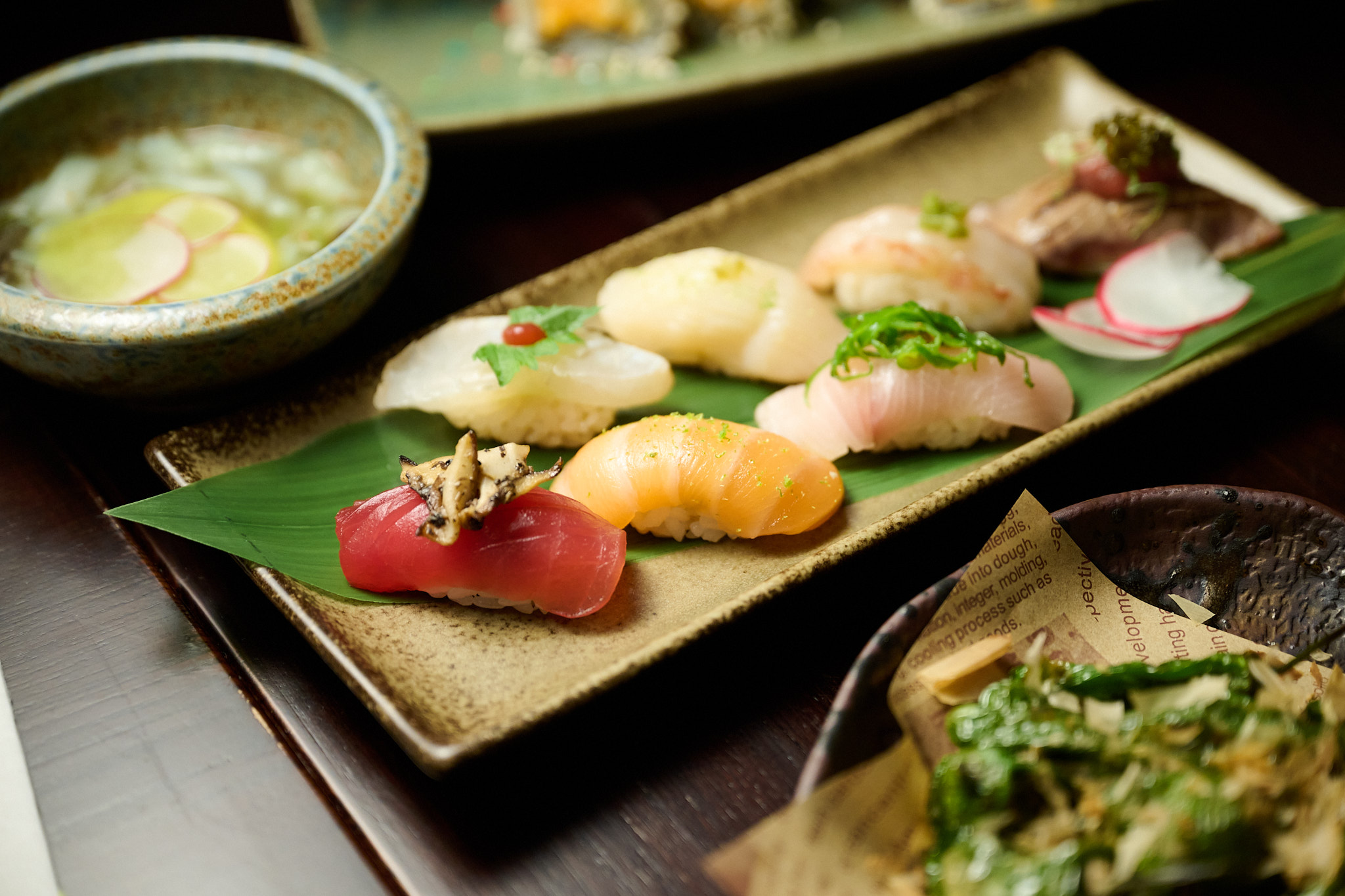
The universal pairing principle for sake and food is like with like, or contrast. Rich dishes pair with either rich sake (amplification) or clean sake (contrast). Delicate dishes pair with delicate sake (harmony). When in doubt, Junmai Ginjo is the safe choice — it's the sake equivalent of a crowd-pleasing Pinot Noir.
Sake and the Art of Japanese Dining
In traditional washoku (和食) dining — recognized by UNESCO as an Intangible Cultural Heritage — sake is not merely an accompaniment but an integral part of the meal's architecture. The Japanese concept of mariage (borrowed from French, but deeply internalized) governs how sake interacts with food: the drink should elevate the dish, and the dish should reveal new dimensions in the drink. This is why experienced sake drinkers often take a small sip, then a bite of food, then another sip — noting how the flavors transform each other in the mouth.
How to Order Sake in NYC
Ordering sake at a restaurant doesn't have to be intimidating. Here's a simple framework that works anywhere from a casual izakaya to a high-end omakase counter:
- Start with what you know about yourself. Do you like your wine dry or sweet? Full-bodied or light? Your wine preferences translate surprisingly well to sake. If you like crisp Sauvignon Blanc, try a chilled Junmai Ginjo. If you prefer rich Chardonnay, explore warmed Junmai.
- Tell your server what you're eating. A good sake server will match your pour to your food. "I'm having sushi and grilled items — what sake would you recommend?" is the magic sentence.
- Start small. Most restaurants offer sake by the glass (typically 5-6 oz) as well as by the bottle or carafe. Try a glass before committing to a full bottle.
- Don't overthink it. Sake culture in Japan is inherently relaxed. There are no wrong choices, only discoveries. The worst that can happen is you try something you don't love — and learn from it.
Local Tips
- Pour for others first — in Japanese culture, it's polite to fill your companion's cup before your own
- Hold your cup with both hands when someone pours for you as a sign of respect
- Sake flights are a great way to taste multiple styles side by side — ask if one is available
- Don't add sake to your soy sauce (a surprisingly common mistake) — they're separate experiences
The Ritual of Kanpai
Before the first sip, there's kanpai (乾杯) — the Japanese toast. Unlike the Western "cheers," kanpai carries a deeper cultural weight. The word literally means "dry cup," an invitation to drink together and share the moment. In proper Japanese etiquette, you never pour your own sake — your companion fills your cup, and you fill theirs. This reciprocal gesture called oshaku (お酌) transforms drinking from a solo act into a bond of mutual respect. When pouring for someone senior or respected, hold the tokkuri (徳利, sake carafe) with both hands. When receiving, lift your ochoko (お猪口, small cup) or sakazuki (盃, flat ceremonial cup) with both hands as well.
The vessels matter too. Sake is served in an array of beautiful ceramics — each shape enhancing different aspects of the drink. A wide-mouthed sakazuki allows aromas to bloom and is used in formal ceremonies. A narrow ochoko concentrates the flavor for sipping. A masu (枡), the traditional wooden box, adds a subtle cedar aroma. And the guinomi (ぐい呑み) — a larger, casual cup — is the izakaya workhorse, designed for generous pours and good conversation.
The Showa Era Selection
At Showa Era Izakaya, we curate our sake list with the same philosophy that guides everything we do: authenticity paired with accessibility. Our selection spans the full spectrum from crisp Daiginjo to creamy Nigori, with an emphasis on small-batch producers who represent the soul of Japanese brewing.
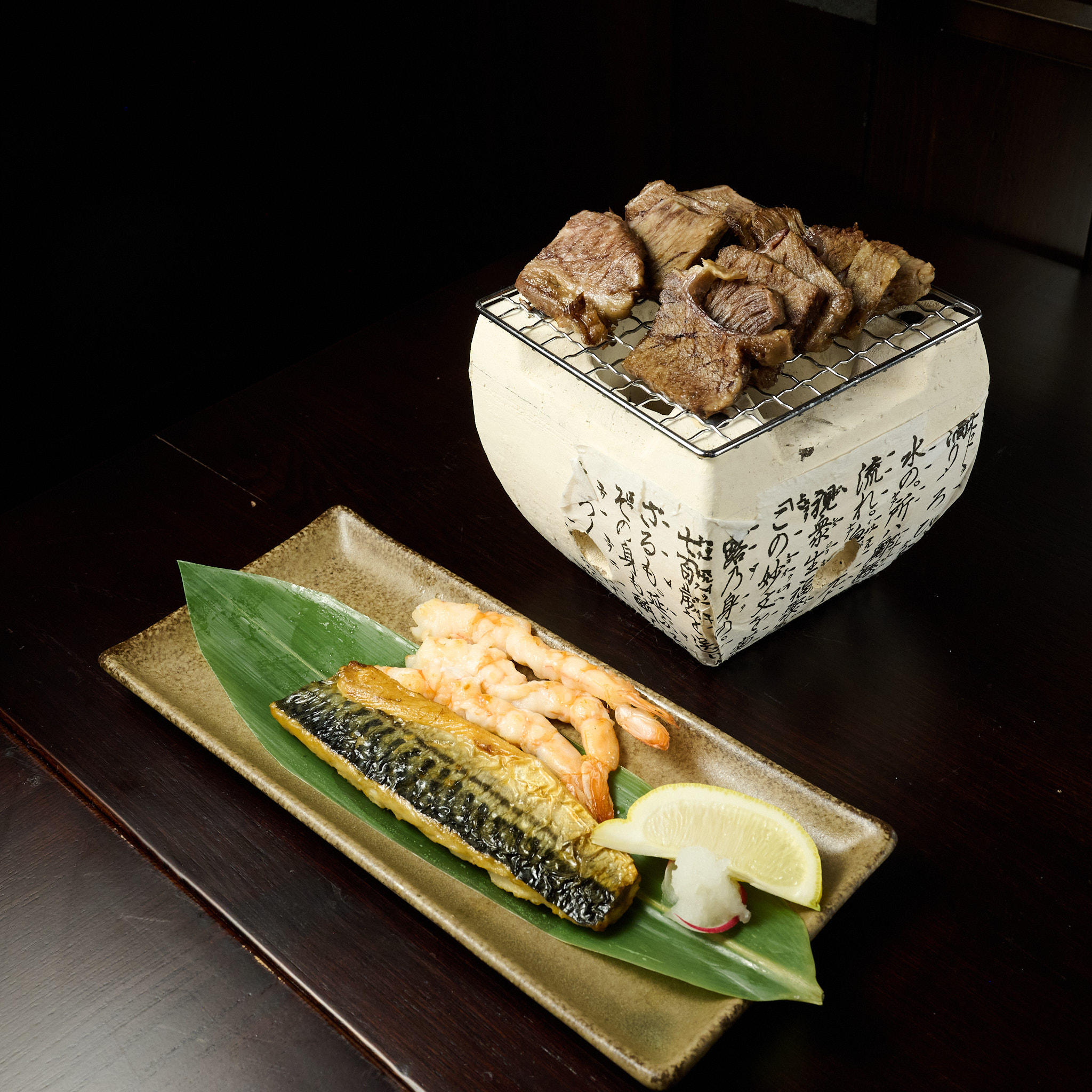
We believe the best way to learn about sake is to drink it — with good food, in good company, with a knowledgeable server nearby who's genuinely happy to guide you. Don't be shy about asking questions. Our team has tasted every sake on our list and can match your preferences to the perfect pour. That's not just service — in sake culture, it's tradition.
Whether you're a complete beginner or a seasoned sake enthusiast looking for your next discovery, there's a seat at our bar with your name on it. Come curious, leave converted. That's the Showa Era promise.
Explore Sake at Showa Era
Fri–Sun 10AM–2AM
Frequently Asked Questions
Is sake stronger than wine?
Slightly. Most sake is 14-16% ABV, comparable to wine. Some undiluted (genshu) sakes can reach 18-20%. It's not as strong as spirits, but stronger than beer. Pace yourself accordingly, especially with smooth Daiginjo that goes down dangerously easily.
Does sake give you a hangover?
Like any alcohol, excessive consumption leads to hangovers. However, premium sake (Junmai, Ginjo, Daiginjo) has no added distilled alcohol and fewer congeners than many wines, so some drinkers report milder morning-afters. Hydration is still your best friend.
What does "dry" and "sweet" mean for sake?
The Sake Meter Value (SMV or nihonshu-do) measures sweetness. Positive numbers indicate drier sake; negative numbers indicate sweeter. Most sake falls between -3 and +10. A +5 is considered dry; a -2 is slightly sweet. Your server can help you navigate this.
Can I cook with sake?
Absolutely — cooking sake (ryorishu) is used extensively in Japanese cuisine. However, don't cook with premium sake (that's like cooking with expensive wine). Use an inexpensive Junmai or cooking-grade sake for marinades and sauces.
Your Sake Journey Starts Here
From your first Junmai Ginjo to your new favorite Daiginjo, every great sake story begins with a single pour.