Quick Picks
- Cold night essential: Tonkotsu Ramen — 12-hour pork bone broth
- Bar snack king: Chicken Karaage — crispy, juicy, addictive
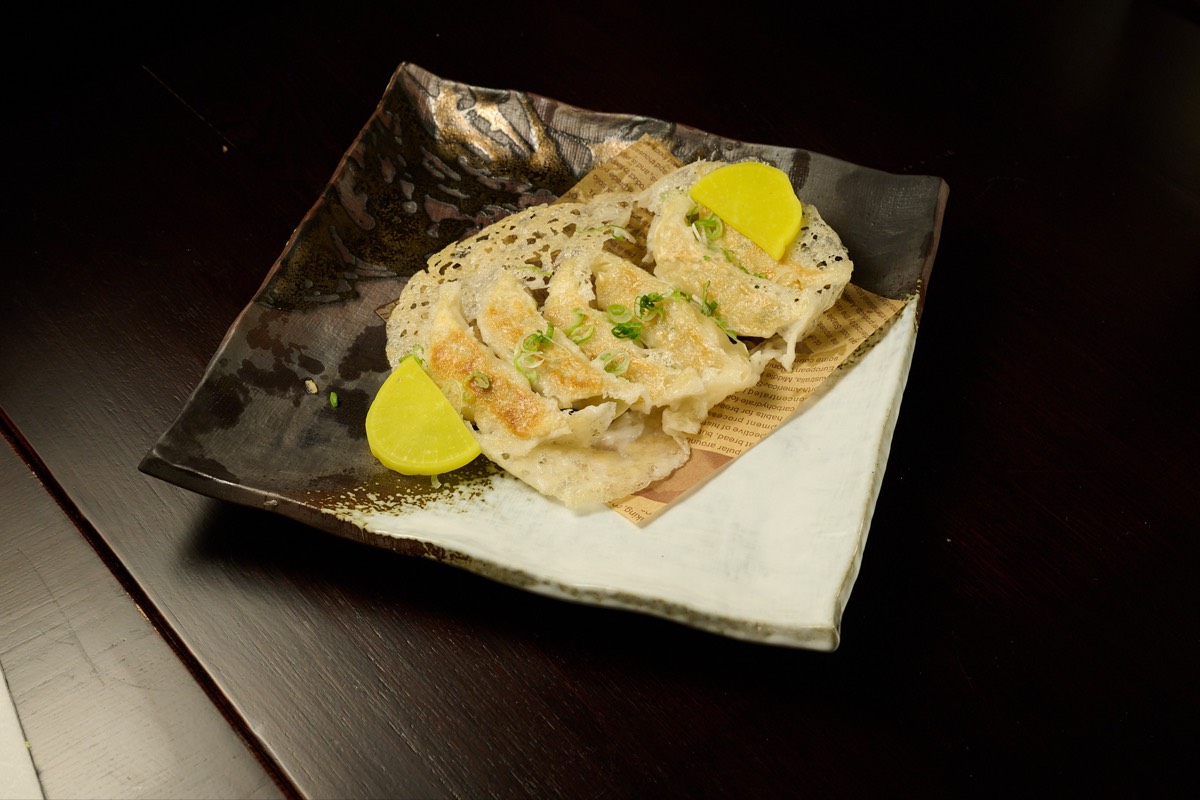
- Shared plate favorite: Gyoza — pan-fried with lacy golden bottoms
- Under-the-radar pick: Agedashi Tofu — crispy outside, silky inside
New York City winters have a way of demanding specific things from a meal. Not polite things, not refined things, but honest-to-goodness soul food — the kind that makes you close your eyes on the first bite and think, "Yes. This is exactly what I needed." Japanese cuisine, for all its reputation for precision and elegance, has a deeply comforting side that most New Yorkers are only beginning to discover.
Tonkotsu Ramen: The King of Comfort
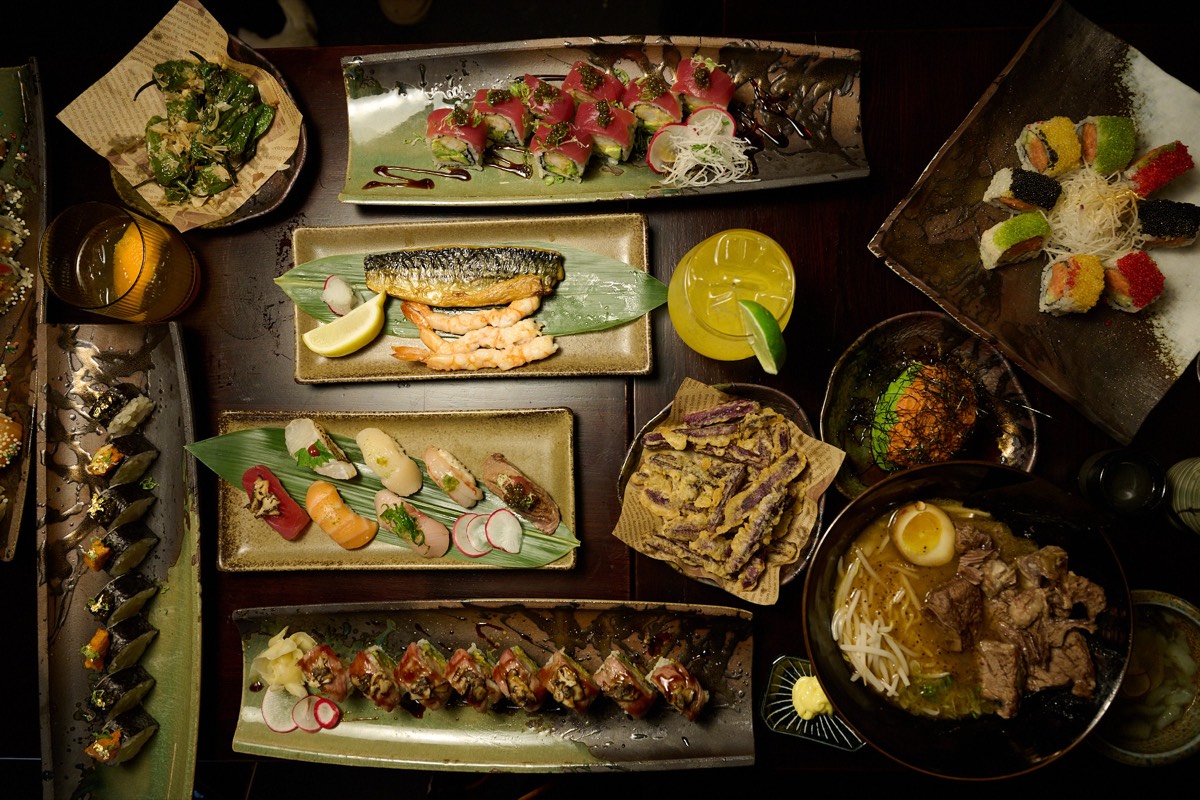
If there's one dish that embodies the soul of Japanese comfort food, it's ramen — specifically, tonkotsu ramen. This isn't the instant noodle packets of your college dorm. This is a bowl that took over 12 hours to create, built from pork bones simmered until they surrender their collagen into a broth so rich and creamy it coats the back of your spoon like velvet.
At Showa Era, our tonkotsu starts before dawn. Pork femur bones go into the pot with aromatics and simmer at a rolling boil — not a gentle simmer, but an aggressive, bone-breaking boil that forces the marrow and collagen into the liquid. The result is that signature milky-white broth, impossibly rich yet somehow not heavy. It's the kind of broth that feels like a warm blanket wrapping around your insides.
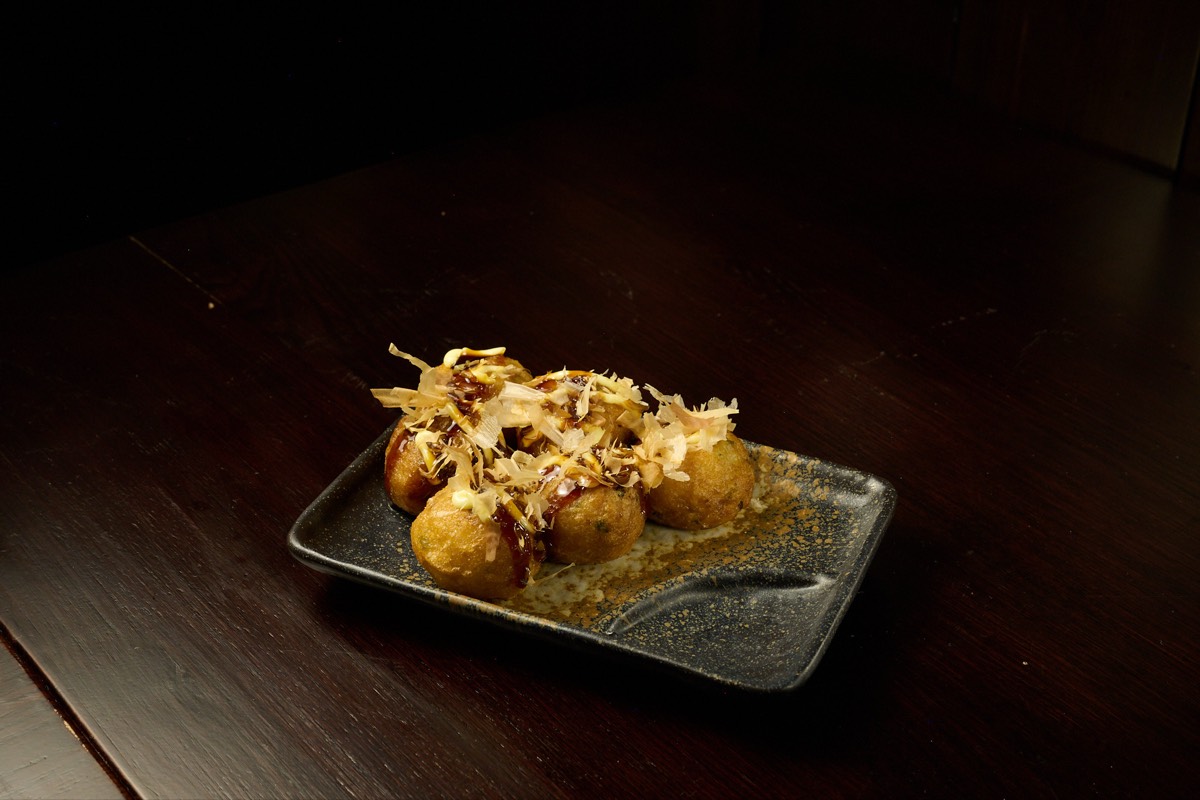
The toppings are where the bowl becomes personal. Chashu pork — braised for hours, then torched to order with a brulee torch that caramelizes the fat cap into something transcendent. A soft-boiled egg (ajitama), marinated in soy and mirin until the yolk reaches that magical jammy consistency — golden, oozy, and rich. Nori, scallions, black garlic oil, and noodles with enough tooth to stand up to the heavy broth.
There's a reason ramen shops in Tokyo have lines around the block at 7 AM. This isn't casual eating — it's a visceral, almost spiritual experience. Every slurp (and yes, slurping is not just acceptable but encouraged) releases steam and aroma that makes the world outside temporarily irrelevant.
From Chinese Import to Japanese Obsession
Ramen's journey to becoming Japan's most iconic comfort food is a story of cultural alchemy. Chinese wheat noodles arrived in Japan in the late 19th century through port cities like Yokohama and Kobe. Known initially as shina soba (支那そば, "Chinese noodles"), they were a simple street food. But Japanese cooks did what they do best — they refined, regionalized, and obsessed over every detail until ramen became something entirely new.
By the 1950s, every major city had developed its own signature style: Sapporo's miso ramen, Hakata's tonkotsu, Tokyo's shoyu (soy sauce), Kitakata's thick curly noodles, and Wakayama's rich chuka soba. The invention of instant ramen by Momofuku Ando in 1958 made noodles a national staple, but it's the handmade, slow-simmered bowls of neighborhood ramen shops that represent the soul of the dish. Today, Japan has an estimated 24,000 ramen shops — more than the number of McDonald's locations in the entire United States.
"Ramen is the great equalizer. At 11 PM on a cold Tuesday, the CEO and the bike messenger want the exact same thing."
— A late-night regular at Showa EraChicken Karaage: The Perfect Crunch
If ramen is the king of Japanese comfort food, karaage (唐揚げ) is the crown prince — universally beloved, impossibly satisfying, and dangerously addictive. Japanese fried chicken is not like any other fried chicken you've had. It starts with a marinade: soy sauce, sake, ginger, and garlic, creating a depth of flavor that penetrates to the bone.
The coating is lighter than American-style fried chicken — a mix of potato starch (katakurihko) and sometimes wheat flour, creating a shell that's shatteringly crispy without being thick or heavy. At Showa Era, we double-fry our karaage: the first fry at a lower temperature cooks the chicken through; the second, at blazing heat, creates that glass-like exterior crunch that shatters at first bite.
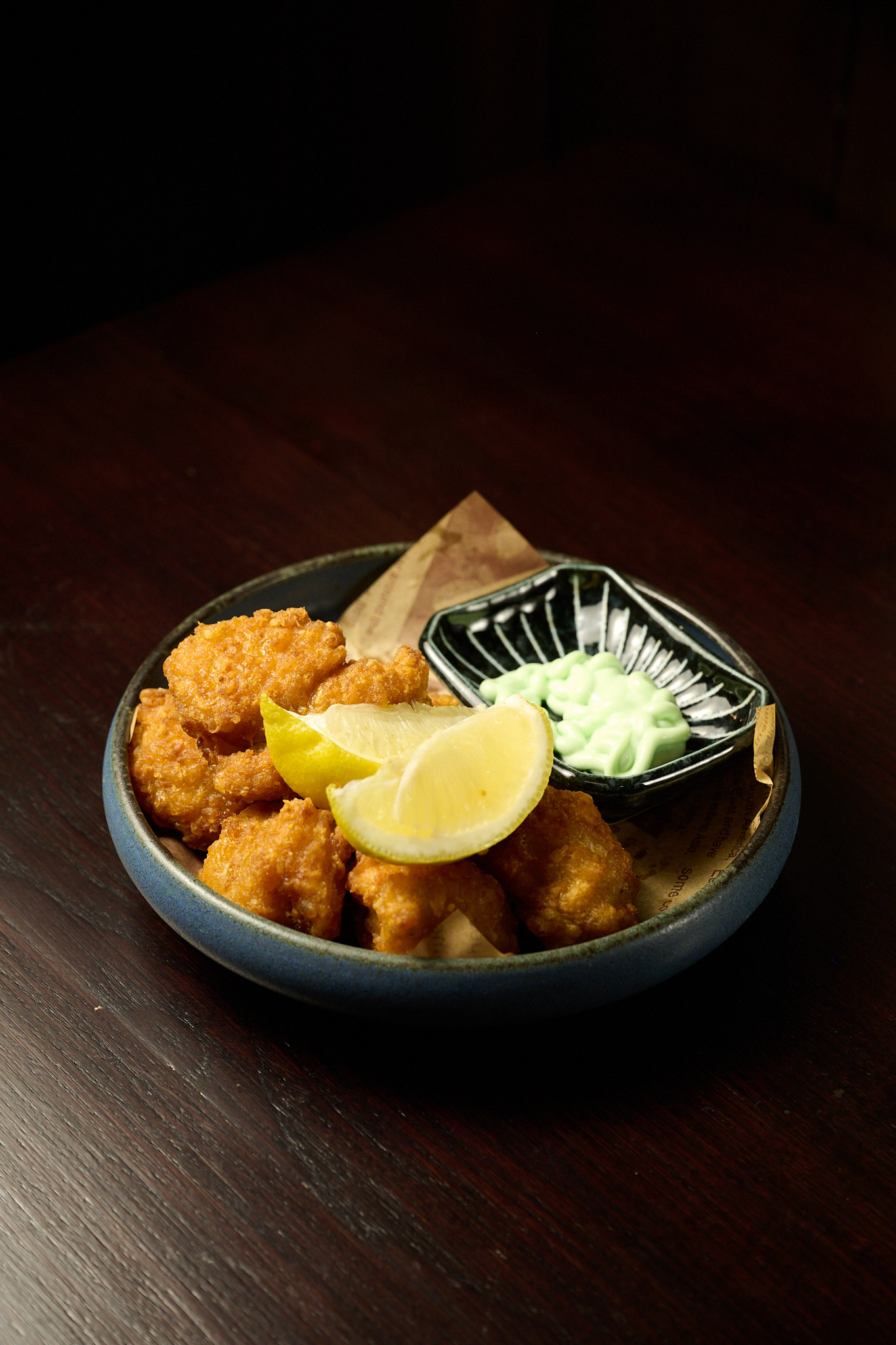
Served with a wedge of lemon and a side of kewpie mayo, karaage is the ultimate bar snack — but calling it a "bar snack" undersells it dramatically. Each piece is a small miracle of texture: the crack of the crust, the burst of juice from the marinated meat, the zing of lemon cutting through the richness. Order it as an appetizer and watch it disappear before the main course arrives.
The Ancient Roots of Karaage
The name karaage (唐揚げ) literally means "Chinese-style frying" — a nod to the Tang Dynasty Chinese cooking techniques that influenced Japanese cuisine centuries ago. However, modern karaage is a distinctly Japanese creation that emerged in the 1930s in Usa, Oita Prefecture on the island of Kyushu, where a Chinese immigrant restaurant owner adapted local frying techniques. Today, Nakatsu City in Oita proudly claims the title of "Karaage Capital of Japan," with over 60 dedicated karaage shops in a city of just 83,000 people. The dish has become so beloved that there's even a Nihon Karaage Kyokai (日本唐揚協会) — the Japan Karaage Association — that certifies excellence in fried chicken across the country.
Why Japanese Fried Chicken Hits Different
- The marinade: Soy, sake, ginger, and garlic create umami depth that Western fried chicken rarely achieves
- The starch coating: Potato starch creates a lighter, crispier shell than wheat flour
- The double-fry: A technique that separates good karaage from transcendent karaage
- The serve: Bite-sized pieces mean every bite has the optimal crust-to-meat ratio
Gyoza: The Social Snack
Gyoza (餃子) — Japanese pan-fried dumplings — are the dish you order "for the table" but secretly wish you had a plate all to yourself. The filling is usually ground pork mixed with cabbage, garlic chives, ginger, and sesame oil, wrapped in thin wheat dough and pan-fried until the bottoms develop a lacy, golden crust that crackles like autumn leaves.
The technique behind great gyoza is deceptively simple: line the dumplings in an oiled pan, let them sear until golden, then add water and cover to steam the tops until they're tender and translucent. The magic is in that two-part cooking method — crispy on the bottom, soft and steaming on top. It's a textural contrast that your brain interprets as deeply, fundamentally satisfying.
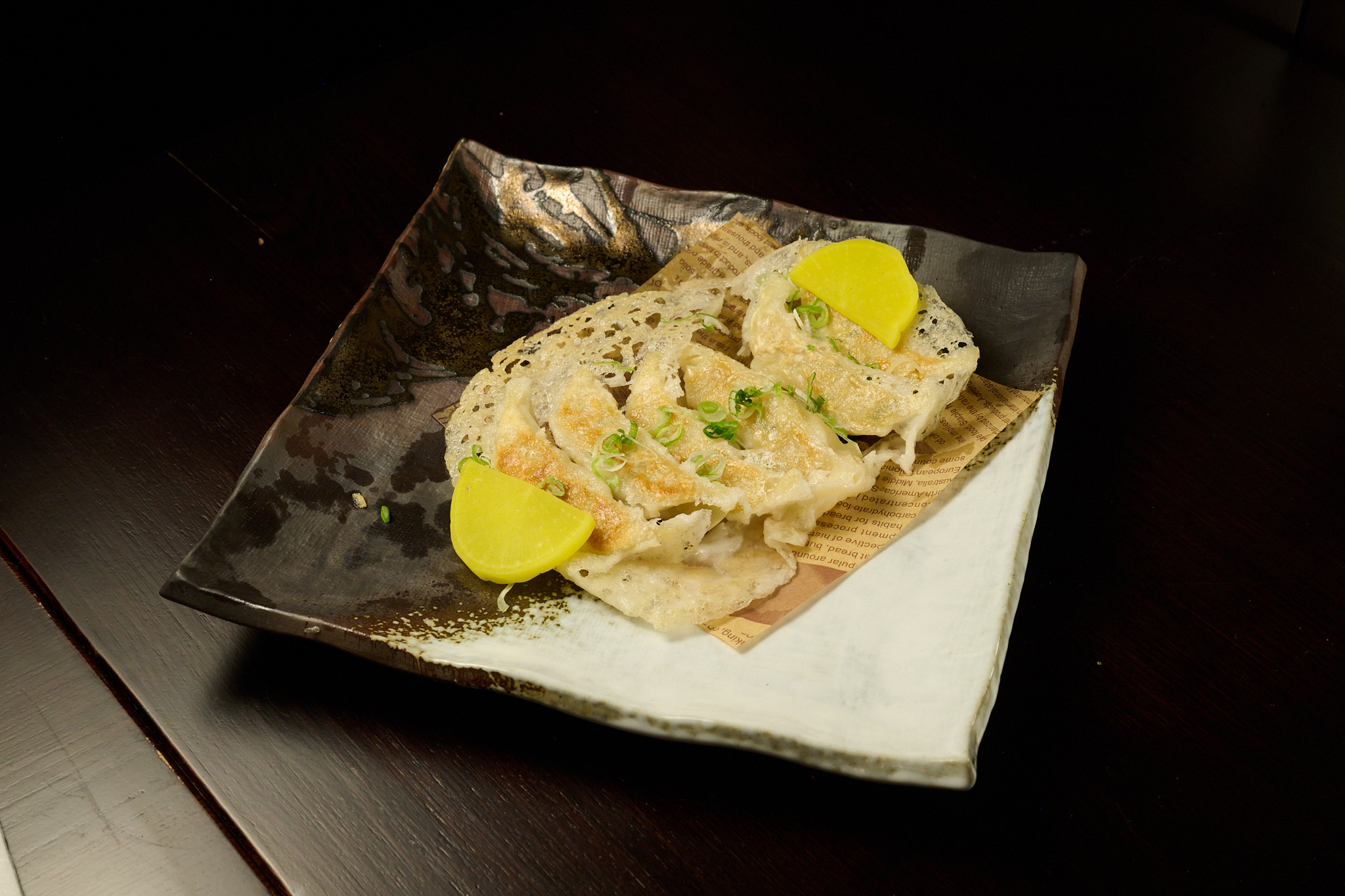
The dipping sauce is non-negotiable: a mix of soy sauce, rice vinegar, and a few drops of chili oil (rayu). Some add a touch of crushed garlic. The acidity of the vinegar cuts through the rich pork filling, the chili adds warmth, and the soy ties everything to its Japanese roots. Simple, essential, perfect.
Gyoza also carry a beautiful tradition of communal cooking. In Japanese homes, making gyoza is often a family affair — everyone gathers around the kitchen table to fold dumplings together, each person developing their own crimping style. The Japanese pleat pattern (hida, ひだ) — those beautiful crescent-moon folds — is both functional (sealing the dumpling) and aesthetic (a mark of the maker's care). At Showa Era, each gyoza is hand-folded to order, carrying that same spirit of individual attention from kitchen to table.
Hidden Comfort Gems
Beyond the big three, Japanese cuisine is packed with comfort dishes that deserve a wider audience in New York:
Agedashi Tofu (揚げ出し豆腐): Silken tofu dusted in starch and deep-fried until the exterior is impossibly crispy while the interior remains custard-smooth. Served in a warm dashi broth with grated daikon and ginger. It's light, elegant, and the textural contrast between crispy shell and silky tofu is genuinely thrilling.
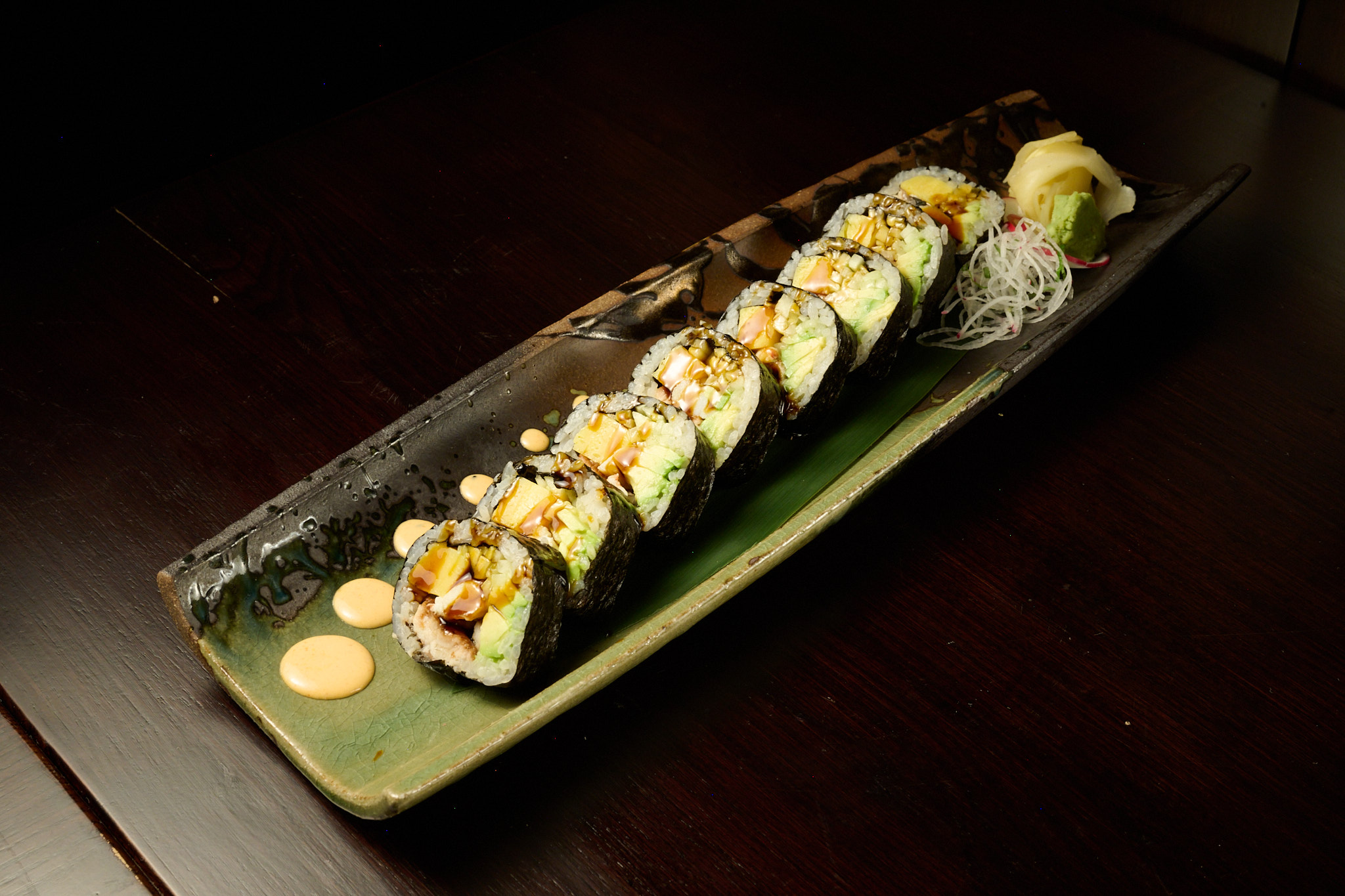
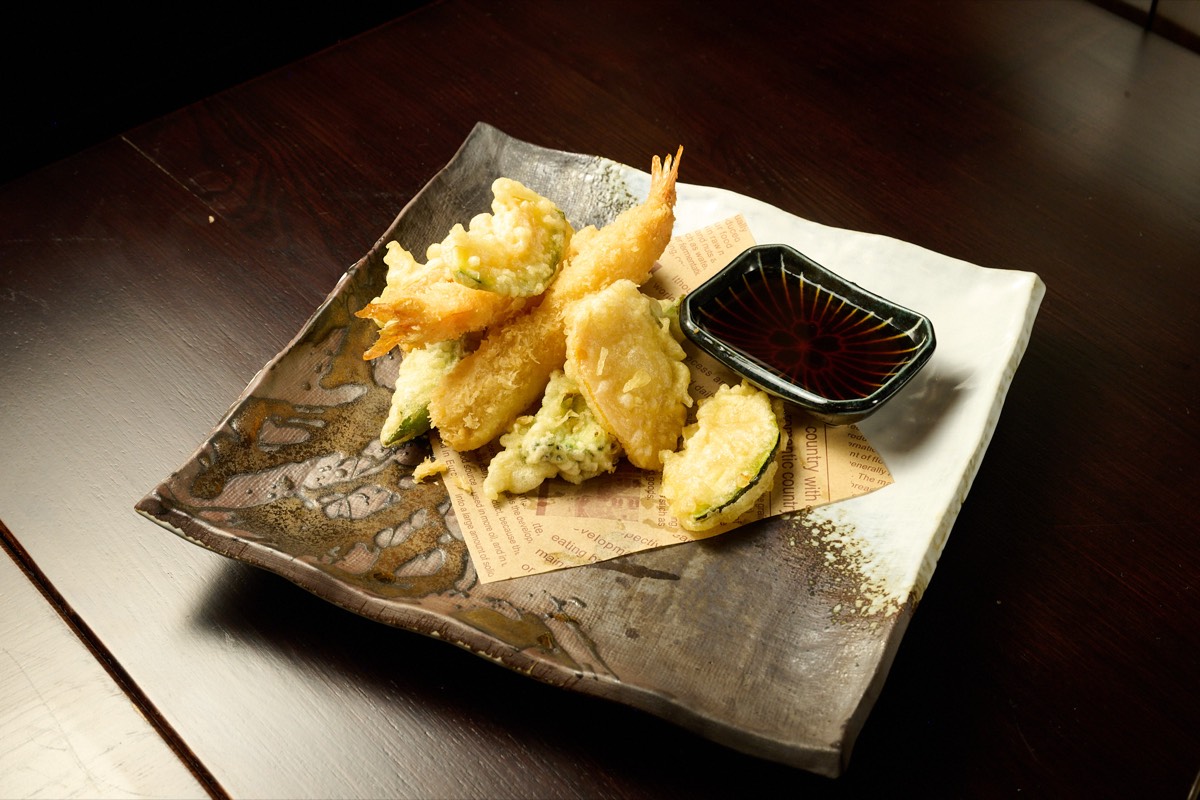
Tempura (天ぷら): When done right — and that's the key qualifier — tempura is one of the most satisfying things you can eat. The batter should be whisper-thin, barely there, creating a delicate golden cage around shrimp, sweet potato, or shishito peppers. The oil should be clean and hot enough that the tempura emerges grease-free and impossibly light. At Showa Era, our tempura is served seconds after leaving the oil, with a dipping sauce of tentsuyu (dashi, soy, and mirin) and freshly grated daikon.
Edamame (枝豆): The simplest Japanese comfort food — soybeans boiled in salted water. That's it. But simplicity is its own form of perfection. Warm, slightly salty, endlessly poppable. There's a meditative quality to eating edamame: squeeze, bite, discard, repeat. It's the izakaya equivalent of deep breathing.
Yakitori (焼き鳥): Chicken skewers grilled over charcoal, brushed with tare sauce (a sweet soy glaze) or simply seasoned with sea salt. Every part of the chicken gets its moment: thigh meat, breast, skin, cartilage, even heart. The smoke from the charcoal becomes part of the flavor — something you can't replicate in an oven.
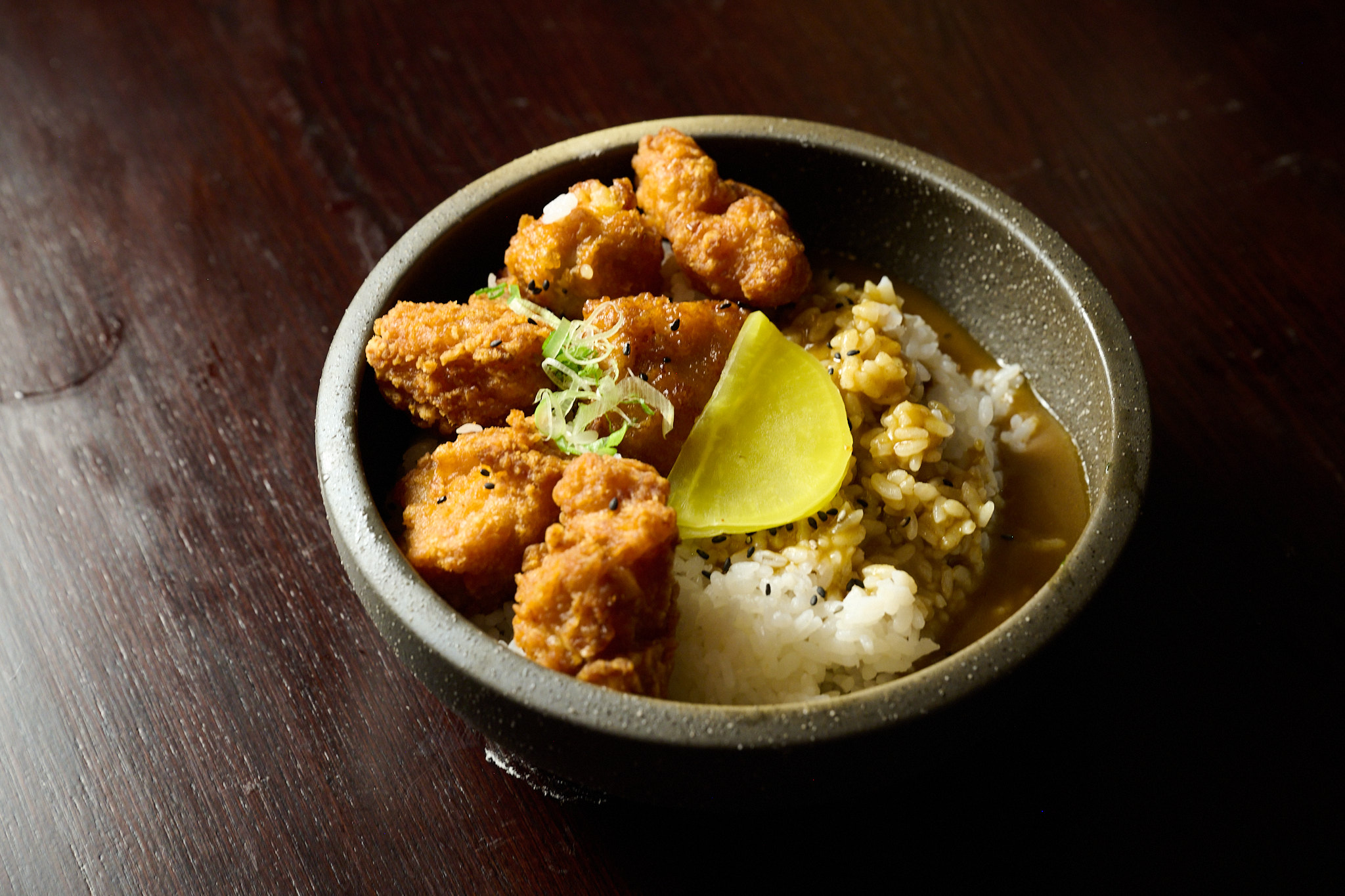
Katsu Curry (カツカレー): A golden-crusted pork or chicken cutlet served over rice and drenched in Japanese curry — thick, sweet, mildly spicy, and nothing like Indian or Thai curry. Japanese curry (kare raisu) was introduced by the British Navy in the Meiji era and has since become one of Japan's most consumed dishes, with some surveys ranking it as the nation's favorite home-cooked meal. The combination of crunchy katsu and velvety curry is the kind of comfort that transcends cultural boundaries.
Ochazuke (お茶漬け): Perhaps the most humble and profound of all Japanese comfort foods. A bowl of rice topped with simple garnishes — salmon flakes, pickled plum (umeboshi), nori, wasabi — and doused in hot green tea or dashi broth. It's what Japanese grandmothers make when you're sick, what salary workers eat at 2 AM after too much sake, and what monks have served in temples for centuries. In its simplicity, ochazuke captures something essential about Japanese food philosophy: that the most comforting meal is often the most understated.
Key Takeaways
- Tonkotsu ramen is a 12-hour labor of love — order it at least once
- Karaage's double-fry technique creates a crunch unlike any other fried chicken
- Gyoza are the perfect social food — crispy bottom, steaming top, soy-vinegar dip
- Don't sleep on agedashi tofu and tempura — they're comfort food royalty
- Japanese comfort food pairs naturally with beer, sake, and whisky highballs
The Comfort Food Playbook
| Comfort Dish | Ideal Drink | Ideal Temperature |
|---|---|---|
| Tonkotsu Ramen | Cold Asahi / Warm Junmai Sake | Piping hot — don't let it sit |
| Chicken Karaage | Highball (Whisky Soda) | Serve immediately after frying |
| Gyoza | Sapporo Draft / Chuhai | Hot — eat while the bottom is crispy |
| Agedashi Tofu | Junmai Ginjo (chilled) | Warm — in dashi broth |
| Tempura | Light sake or green tea | Immediately — crispness fades fast |
| Yakitori | Japanese beer or Junmai | Hot off the charcoal grill |
Building the Perfect Cold-Night Order
Here's our recommended comfort food progression for a cold New York night at Showa Era — the order that our regulars have refined over hundreds of visits:
- Start with a beer. A cold Asahi or Sapporo. Let the first sip signal to your body that the evening has officially begun.
- Edamame + Karaage. Your warm-up act. The edamame for mindless snacking, the karaage for the first real hit of satisfaction. Share the karaage if you're feeling generous; hoard it if you're not.
- Gyoza. The bridge course. Those lacy, golden bottoms dipped in soy-vinegar are the kind of simple pleasure that makes you wonder why you don't do this every week.
- Switch to sake or highball. You've earned it. A warm Junmai sake or a fizzy whisky highball keeps the momentum going.
- Tonkotsu Ramen. The grand finale. The shime. The soul food that closes the loop. Slurp loudly, eat every noodle, drink the broth. Leave nothing behind.
Local Tips
- Cold weather hack: Order warm sake with your ramen — the double warmth is transformative
- Weeknight advantage: Tue-Thu evenings are quieter, so the kitchen can give each bowl extra attention
- Mix your own dipping sauce for gyoza: soy + vinegar + chili oil in whatever ratio suits you
- Ask about seasonal specials — our comfort menu rotates with the weather
Warm Up at Showa Era
Fri–Sun 10AM–2AM
Frequently Asked Questions
Is slurping ramen really okay?
Not just okay — it's encouraged. In Japanese culture, slurping noodles aerates the broth (enhancing flavor), cools the noodles (so you can eat them faster), and signals to the chef that you're enjoying the meal. It's the highest compliment you can pay a bowl of ramen.
What if I'm vegetarian?
Japanese cuisine has strong vegetarian roots in Buddhist temple cooking (shojin ryori). At Showa Era, we offer vegetable tempura, edamame, agedashi tofu, and vegetable gyoza. Ask your server about our vegetable-friendly options — we're always happy to accommodate.
Which dishes are gluten-free?
Edamame is naturally gluten-free. Some sashimi and grilled items are as well, though soy sauce (which contains wheat) is used in many preparations. Please let your server know about any allergies and we'll guide you to safe options.
Can I order ramen to go?
We offer takeout, but we'll be honest: ramen is best enjoyed immediately. The noodles continue to absorb broth during transport, and the timing of the toppings matters. If you do take out, we pack the components separately so you can assemble at home.
Comfort Is Calling
Cold night, warm bowl, good company. That's the Showa Era formula — and it works every single time.