Quick Picks
- Best late-night order: Tonkotsu Ramen + Chicken Karaage + cold Asahi
- Peak hours: 10:30 PM – 12:30 AM (Friday & Saturday)
- Vibe: Warm lantern light, vinyl-era jazz, no pretense
- Must-try sake: Kubota Manju — smooth, subtle, perfect nightcap
There's a particular kind of magic that only happens after 10 PM on 9th Avenue. The theater crowds have spilled out, the suits have loosened their ties, and somewhere between 50th and 52nd Street a warm glow beckons from behind a curtain of hanging lanterns. Welcome to the izakaya — Japan's answer to the neighborhood bar, reimagined for the late-night rhythms of Hell's Kitchen.
What Is an Izakaya, Really?
The word "izakaya" (居酒屋) literally translates to "stay-drink-shop," and that etymology tells you everything you need to know. In Japan, an izakaya is where office workers decompress after a 14-hour day, where friends gather to share small plates and tall glasses of beer, where the line between dinner and socializing dissolves entirely.
Unlike a formal sushi counter or a ramen shop with its rapid-fire turnover, an izakaya invites you to settle in. You're not here for a single dish — you're here for an evening. Plates arrive in waves: edamame first, then grilled skewers, then something fried, then maybe a bowl of rice to anchor it all. The drinks never stop flowing. The conversation gets louder. Time becomes irrelevant.
"An izakaya isn't a place you go to eat. It's a place you go to live — for a few hours, at least."
— Japanese dining proverb
In Tokyo, izakayas range from tiny six-seat counters hidden beneath train tracks to multi-story establishments with private rooms and karaoke. What unites them all is spirit: warmth, generosity, and the understanding that food tastes better when it's shared.
From Edo-Period Sake Shops to Modern Izakayas
The izakaya tradition dates back to the Edo period (1603–1868), when sake shops (sakaya, 酒屋) began allowing customers to drink on the premises. The word izakaya combines i (居, to stay) with sakaya — literally, "a sake shop where you can stay." These early izakayas served simple snacks like dried fish and pickles alongside sake. Over time, the food grew more elaborate, and by the Showa era (1926–1989), the izakaya had evolved into the social institution we know today — a place where salary workers shed their corporate armor and reconnect as human beings over shared plates and flowing drinks.
The famous cry of "otsukaresama desu!" (お疲れ様です — "you've worked hard today!") that opens many izakaya evenings is more than a toast. It's a collective exhale, an acknowledgment that the day's labor is done and the evening belongs to pleasure, company, and good food.
The Hell's Kitchen Connection
You might expect NYC's izakaya scene to center on the East Village or Midtown East, where Japanese restaurants have clustered for decades. But Hell's Kitchen — with its late-night energy, its proximity to Broadway, and its long history as a neighborhood that stays awake — turns out to be the perfect home for izakaya culture.
Think about the neighborhood's DNA. Hell's Kitchen has always been a place for people who work odd hours: actors finishing shows at 10 PM, musicians loading out at midnight, bartenders and line cooks wrapping at 2 AM. These are people who need real food — not just a slice of pizza — at hours when most restaurants have already flipped their chairs.
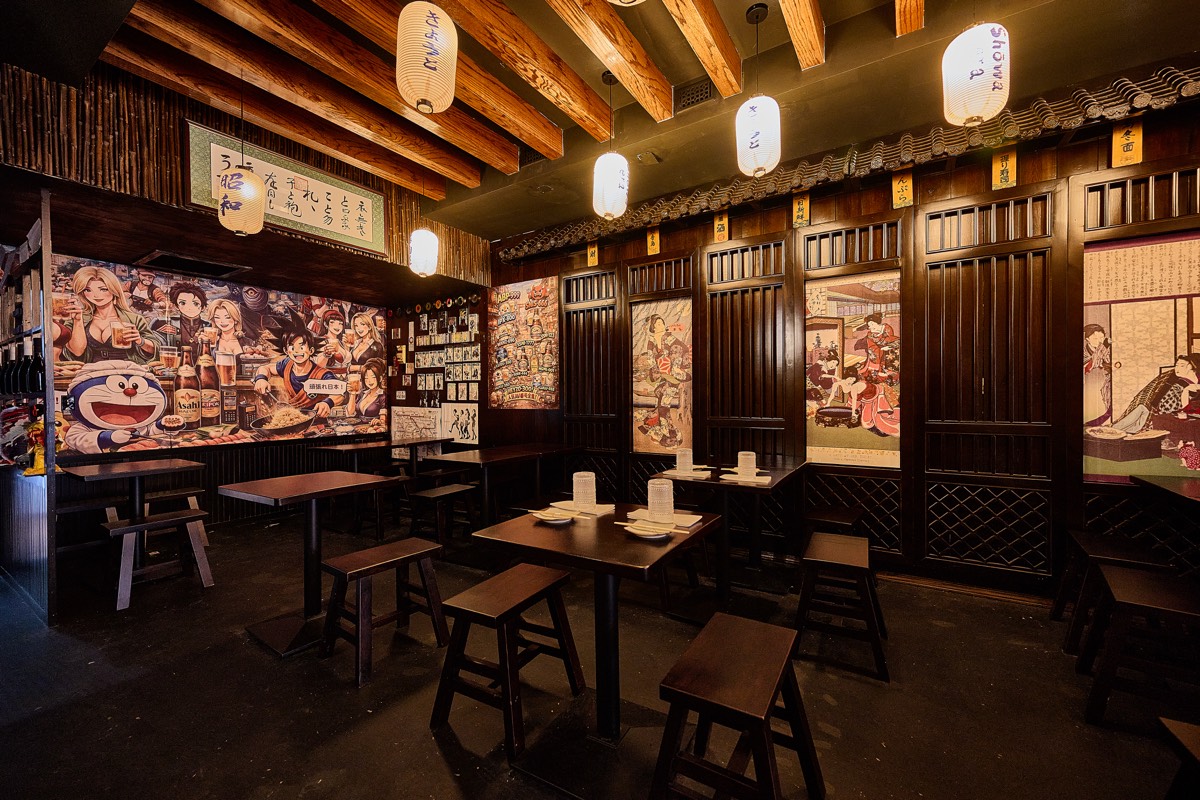
An izakaya answers that need with open arms. At Showa Era on 9th Avenue, the kitchen runs strong until 1 AM on weeknights and 2 AM on weekends. That's not a grudging late-night afterthought — that's prime time. The menu doesn't shrink as the clock ticks forward. If anything, the energy grows.
The After-Hours Menu
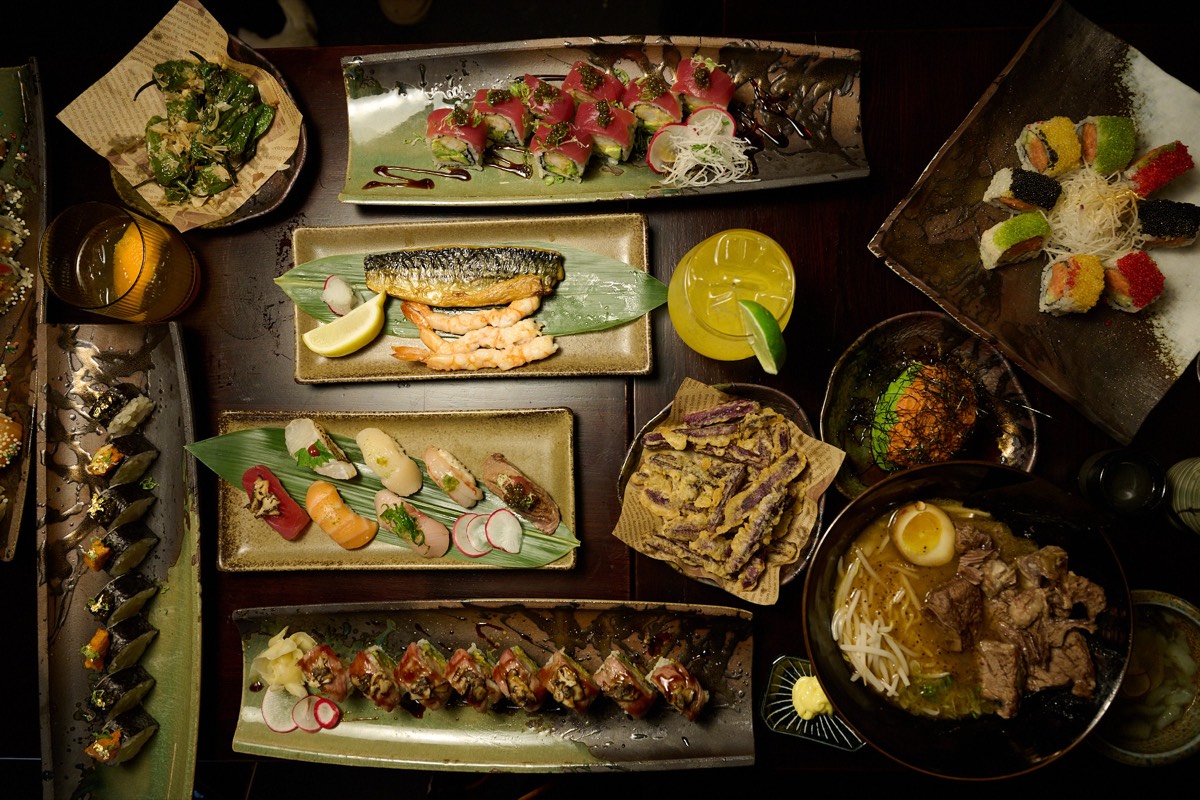
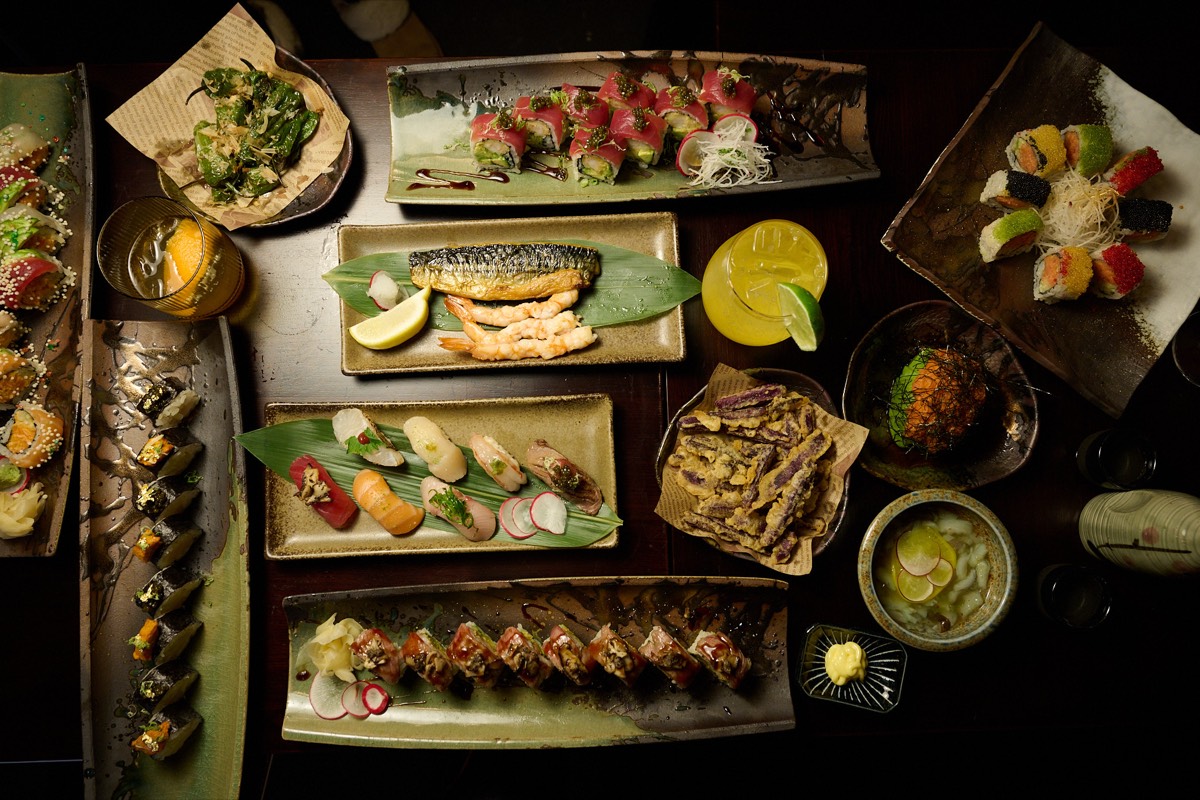
Late-night izakaya dining isn't about eating everything on the menu. It's about eating the right things — dishes that satisfy without overwhelming, that pair perfectly with a cold beer or a warm cup of sake. Here's what the regulars know to order after 10 PM:
The Midnight Staples
Chicken Karaage (唐揚げ): Impossibly crispy Japanese fried chicken, marinated in ginger and soy, served with a wedge of lemon. This is the dish that converts every skeptic. The coating shatters on first bite; the meat inside stays impossibly juicy. At Showa Era, we double-fry ours for extra crunch — a technique borrowed from the street stalls of Osaka.
Tonkotsu Ramen: There's a reason ramen becomes irresistible late at night. The rich, collagen-heavy pork bone broth takes over 12 hours to prepare, and every sip feels like it's recharging your soul. Our chashu pork is torched to order, adding a smoky caramelization that cuts through the richness.
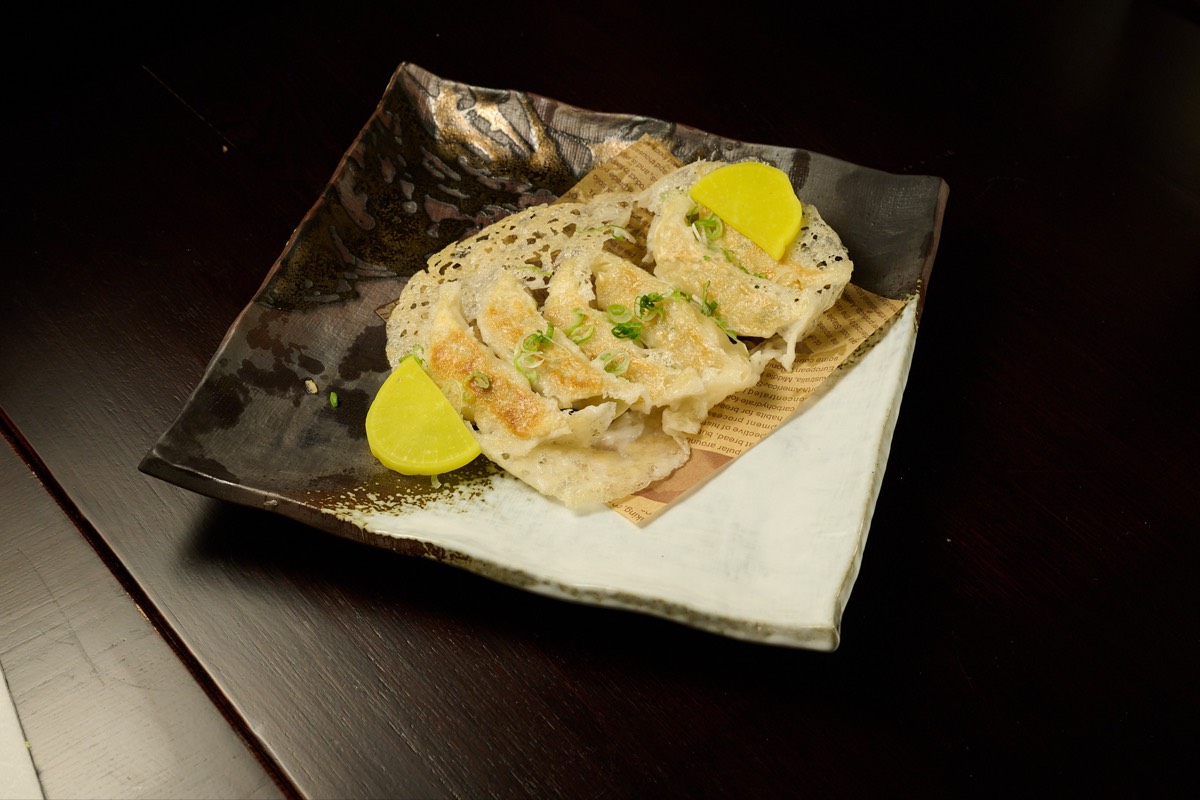
Gyoza (餃子): Pan-fried until the bottoms turn golden and lacy, these pork and chive dumplings are the ultimate bar snack. Dip them in a mix of soy sauce, rice vinegar, and a drop of chili oil. Six pieces is never enough — order twelve.
Yakitori (焼き鳥): The art of charcoal-grilled chicken skewers is one of Japan's most revered culinary traditions. At its heart, yakitori celebrates the concept of mottainai (勿体ない) — the principle of waste nothing. Every part of the chicken is honored: succulent thigh (momo), crispy skin (kawa), tender breast (sasami), and even heart (hatsu). Each skewer is seasoned with either tare (タレ, sweet soy glaze) or shio (塩, sea salt), letting the natural flavors shine through the kiss of binchotan (備長炭) — Japanese white charcoal that burns hotter and cleaner than any Western charcoal.
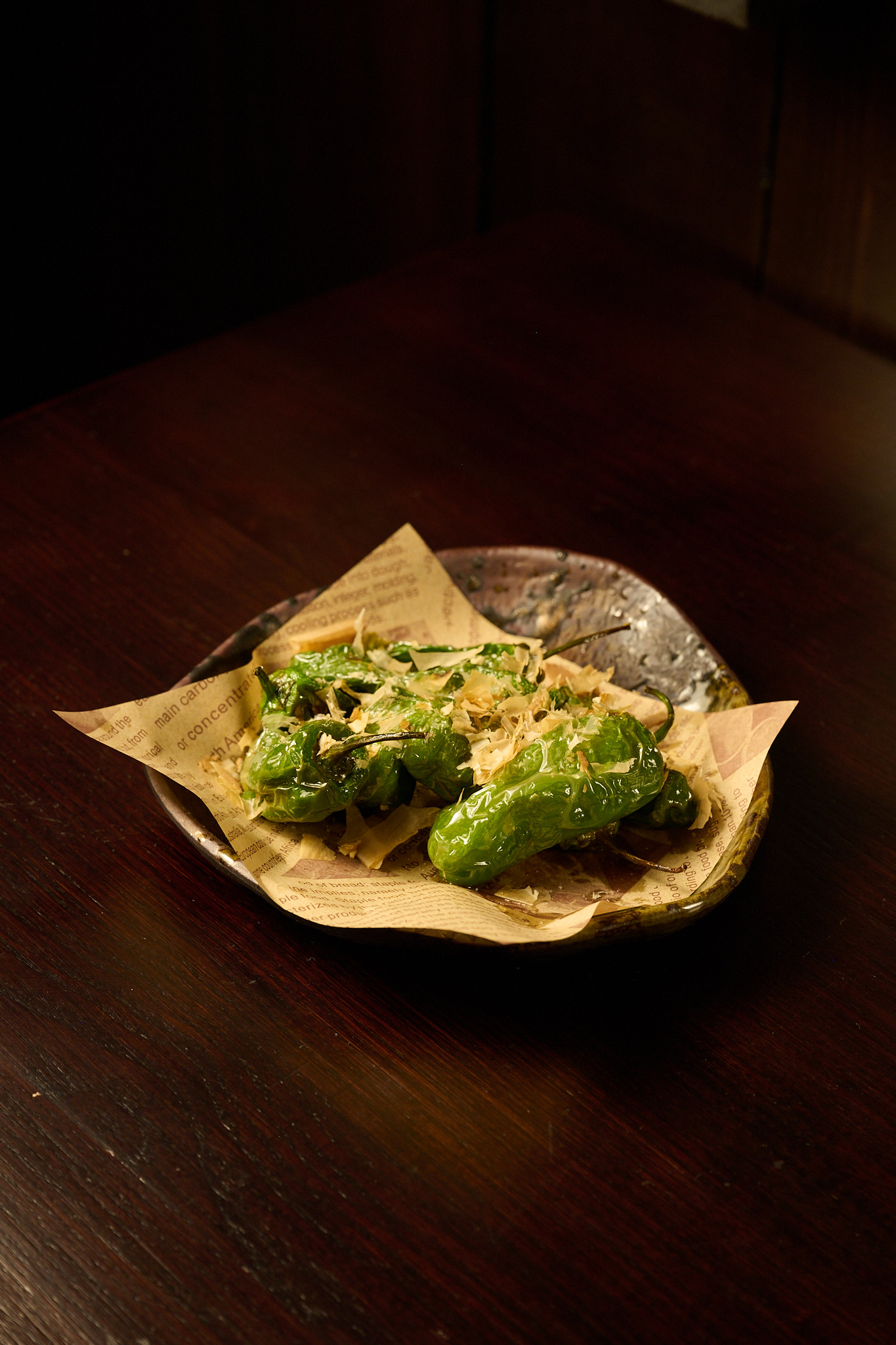
Shishito Peppers (獅子唐): Blistered in a scorching-hot pan until their skins char and bubble, these mild Japanese peppers are served with nothing more than a sprinkle of flaky sea salt. The thrill? About one in ten is unexpectedly spicy — a natural roulette that makes every bite an adventure. It's the perfect dish to share between sips of cold beer.
| Late-Night Dish | Best Pairing | Why It Works |
|---|---|---|
| Chicken Karaage | Asahi Super Dry | Crisp lager cuts through the rich, fried coating |
| Tonkotsu Ramen | Kubota Manju (sake) | Clean sake balances the heavy pork broth |
| Gyoza | Highball (Whisky Soda) | Effervescence lifts the savory dumplings |
| Edamame | Sapporo Draft | Simple + simple = perfectly satisfying |
| Wagyu Tataki | Junmai Daiginjo | Delicate sake honors premium beef |
The Art of Late-Night Dining
Japanese izakaya culture has an unspoken rhythm that separates it from simply "eating dinner late." Understanding this rhythm transforms your experience from a meal into something closer to a ritual.
Start light. Edamame, a small salad, or shishito peppers — something to nibble while you decide what's next. In Japan, this first round is called otoshi (お通し), a small appetizer that arrives automatically with your first drink. It's the kitchen's way of saying: slow down, you've arrived.
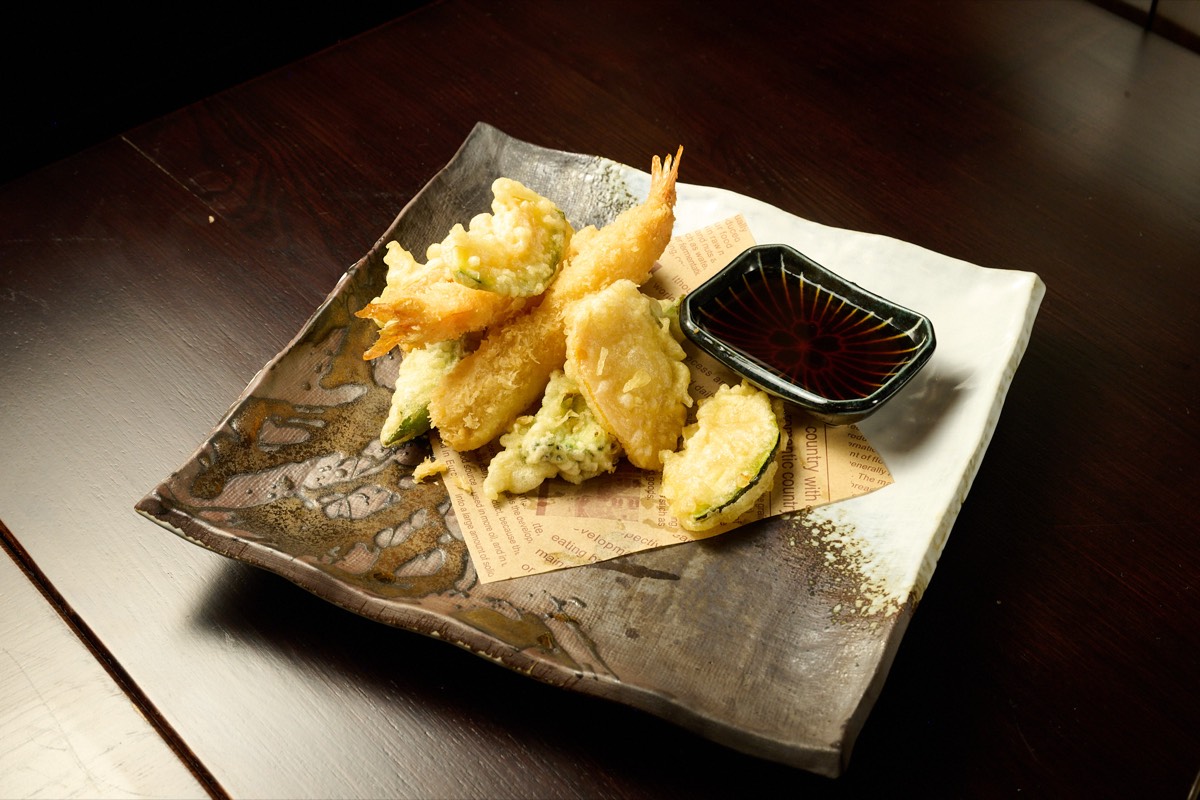
Build momentum. Move to something heartier — skewers, tempura, a plate of sashimi to share. This is the social heart of the meal, where plates get passed across the table and everyone tries a bit of everything. Don't be precious about ordering. Part of the izakaya spirit is spontaneity.
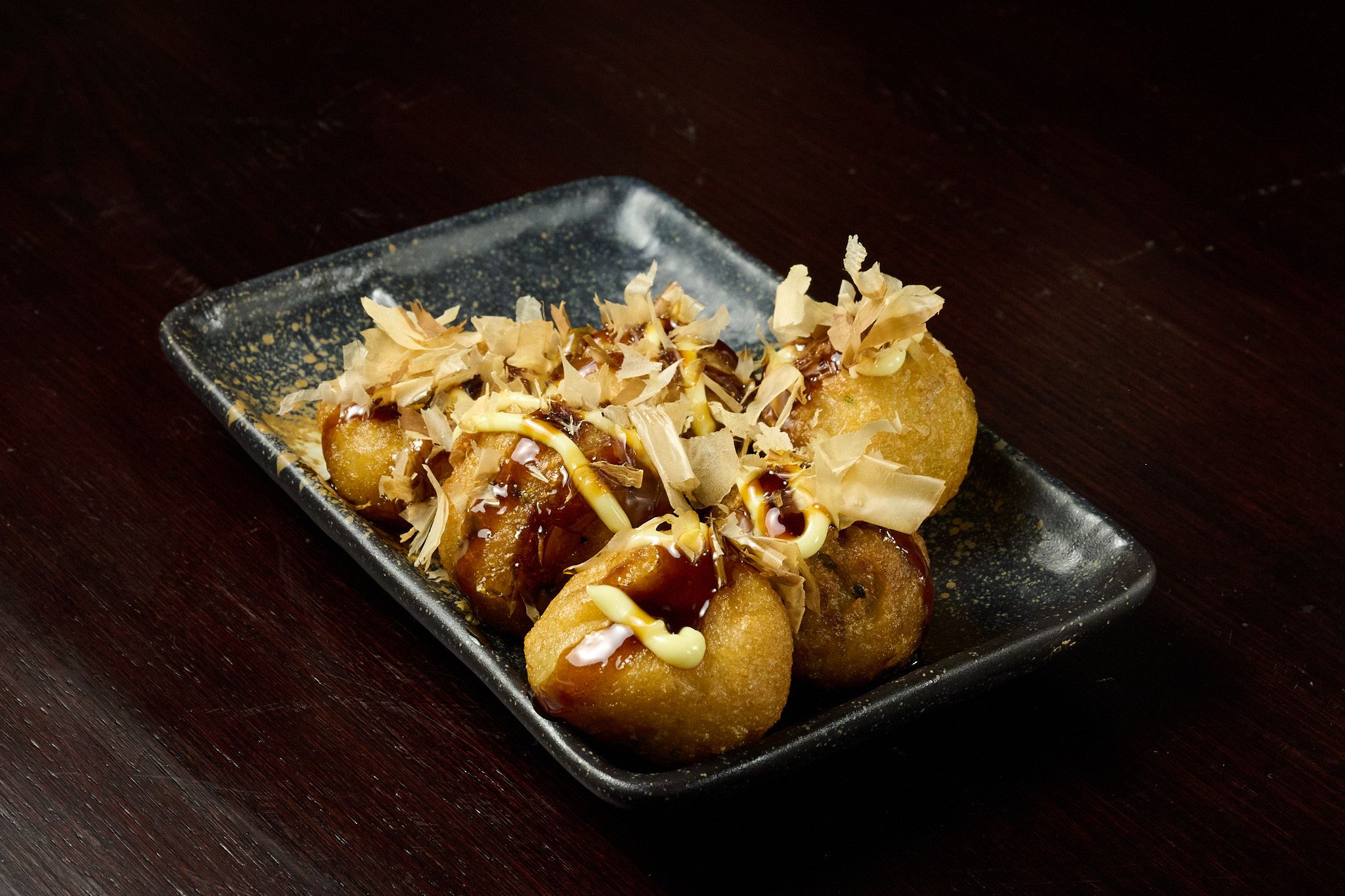
Finish with soul food. This is where ramen enters the picture. In Japan, it's called shime (〆) — the final course that closes out the night. A bowl of ramen after hours of drinking and snacking isn't just food; it's comfort, it's closure, it's the gentle signal that the evening is complete.
Shime — The Sacred Final Course
The concept of shime (〆 or 締め, meaning "to close" or "to tie off") is deeply embedded in Japanese drinking culture. It's the carbohydrate anchor at the end of an evening — the dish that soaks up the sake, settles the stomach, and signals that the night is drawing to a satisfying close. In different regions of Japan, the shime takes different forms: ramen in Hakata, ochazuke (tea-soaked rice) in Kyoto, udon in Osaka, and onigiri (rice balls) almost everywhere. The choice of shime is personal and fiercely debated — ask any Japanese person what their preferred shime is and you'll get a passionate answer. At Showa Era, our tonkotsu ramen is the shime of choice — and for good reason.
Key Takeaways
- Izakaya dining is about shared plates, flowing drinks, and unhurried conversation
- Hell's Kitchen's late-night culture makes it the ideal NYC neighborhood for izakaya
- Follow the rhythm: start light, build momentum, finish with a bowl of ramen
- The best late-night orders are designed to pair with beer, sake, or whisky highballs
- Showa Era's kitchen runs full-menu until 1 AM weeknights, 2 AM weekends
How to Order Like a Regular
First-timers at an izakaya sometimes make the mistake of ordering like they're at a traditional restaurant — one entrée per person, eaten in sequence. That's not the izakaya way. Here's how the regulars do it:
- Order drinks first. Always. A beer, a sake, a highball — whatever calls to you. In Japan, the meal doesn't begin until everyone has a glass in hand and someone says "kanpai!" (乾杯 — cheers).
- Start with 2-3 small plates for the table. Edamame, gyoza, and one adventurous pick. Let everyone share.
- Add more as you go. There's no rush. The kitchen is there for you. See something on the next table that looks amazing? Ask your server. That's half the fun.
- End with ramen or rice. The shime course isn't optional — it's tradition. Choose a bowl of tonkotsu ramen or an onigiri rice ball to close things out.
Local Tips
- Arrive after 10 PM for the true izakaya atmosphere — the energy shifts from dinner to social
- Sit at the bar if you're dining solo or as a couple — you'll get a view of the kitchen action
- The 9th Ave walk from Times Square takes about 8 minutes — perfect post-show destination
- Friday and Saturday fill up fast after 11 PM — consider a reservation or arrive by 10:30
The Showa Era Story
Showa Era Izakaya takes its name from Japan's Showa period (1926–1989) — an era that, for all its historical complexity, produced the golden age of Japanese neighborhood culture. The tiny bars of Shinjuku's Golden Gai, the ramen stalls under Yurakucho station, the smoke-filled yakitori alleys of Ebisu — these all flourished during the Showa years.
The Showa era was when Japan's modern food culture crystallized. It was during this period that ramen evolved from a simple Chinese-influenced noodle soup into a distinctly Japanese art form, with regional styles developing across the country — Hakata's creamy tonkotsu, Sapporo's miso-based broth, Tokyo's shoyu tradition. It was when yatai (屋台) — mobile food stalls — lined the streets of every Japanese city, serving grilled skewers and steaming bowls to late-night workers under strings of paper lanterns. The aesthetic of warm wood, handwritten menus, and intimate counter seating that defines the izakaya today was born in this era.
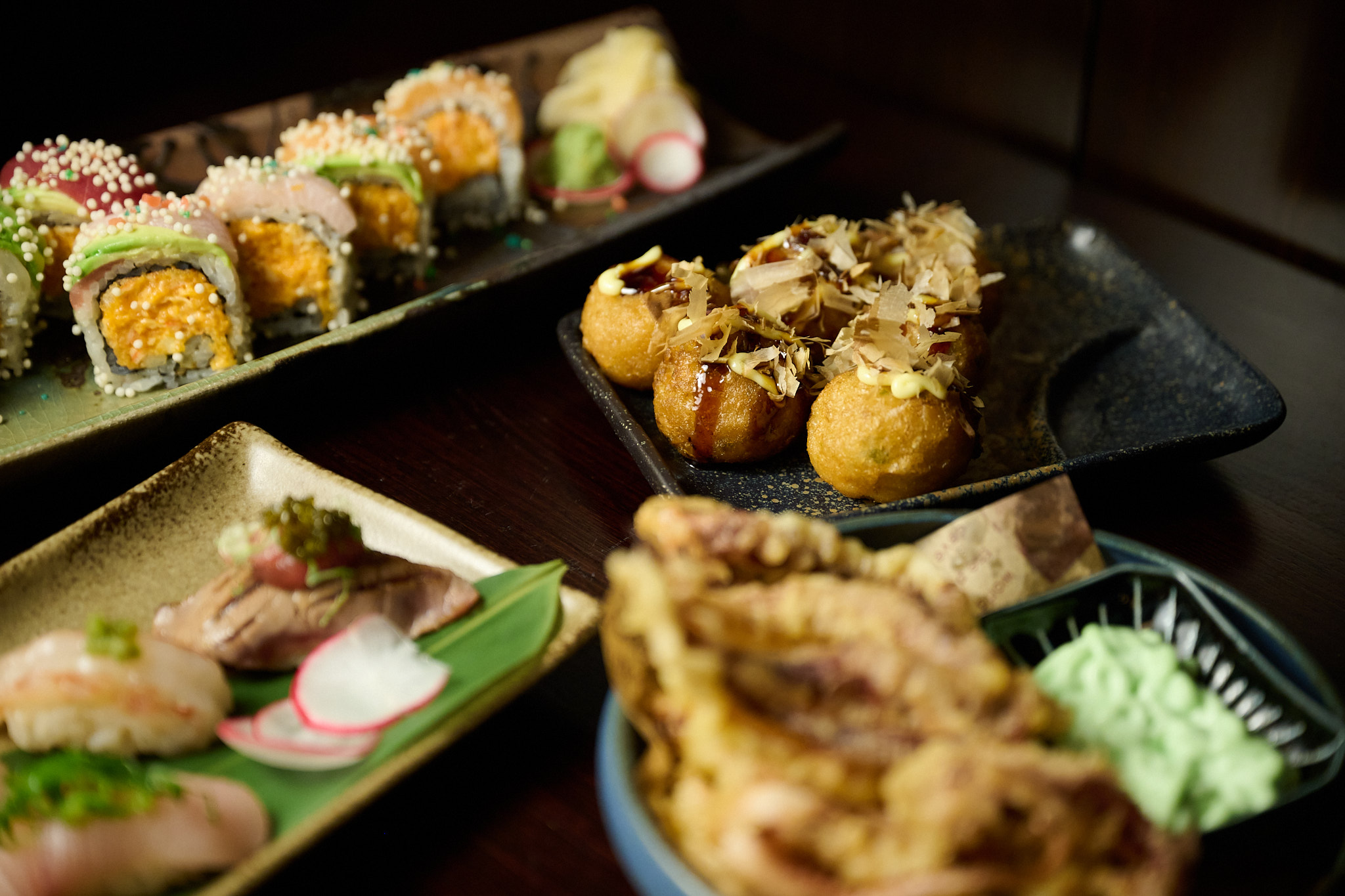
Our space on 9th Avenue channels that spirit. The dark wood, the warm lighting, the handwritten menu boards — every detail is designed to make you feel like you've stepped through a doorway in time. Not to a museum version of old Japan, but to a living, breathing neighborhood spot where the food is honest, the drinks are cold, and the welcome is genuine.
That's what makes a late-night izakaya in Hell's Kitchen special. It's not just about what's on the plate — though the plate is exceptional. It's about the feeling. The sense of discovery. The warmth of a place that's still wide awake when the rest of the city is winding down. It's about walking in at 11 PM, ordering a beer, and knowing that you've found exactly where you're supposed to be.
Visit Showa Era Izakaya
Fri–Sun til 2 AM
Frequently Asked Questions
What time does the late-night menu start?
Our full menu runs all evening — there's no separate "late-night menu." Everything available at 7 PM is still available at midnight. The kitchen stays fully operational until closing time.
Do I need a reservation for late-night dining?
Walk-ins are welcome, but we recommend reservations on Friday and Saturday nights, especially after 10:30 PM when the post-theater crowd arrives. You can book online or call us at (646) 882-0156.
Is Showa Era a good post-Broadway dinner spot?
Absolutely. We're an 8-minute walk from Times Square, and most shows let out between 10 and 10:30 PM — which is prime izakaya time. Many of our regulars are Broadway-goers who've made us their after-show tradition.
What's the best drink to start with?
A Japanese beer (Asahi or Sapporo) or a whisky highball is the classic izakaya opener. If you're feeling adventurous, ask your server about our seasonal sake selections — they're always happy to recommend.
Ready for a Late Night at Showa Era?
The lanterns are lit, the kitchen is firing, and there's a seat waiting for you on 9th Avenue.